25 SEPT 2026 · rts.fm editorial
Europe's Dance Festivals Are Disappearing Fast in 2026
Mysteryland skipped a year, Ground Zero ended for good, and Music On lost its permit. Here's what's actually driving the wave of festival cancellations.
Something odd is happening in European dance music right now. Streaming data keeps showing electronic and dance as one of the fastest growing genres by listenership, yet the festivals that built that culture are cancelling, pausing or closing at a rate the industry hasn't seen in years. According to the Association of Independent Festivals, 78 UK festivals were cancelled, postponed or permanently closed in 2024, followed by 43 in 2025, and 20 more by June 10, 2026 alone, a partial year count that doesn't yet tell us whether 2026 will end up better or worse than 2025 (chartlex.com).
Those UK numbers are only the visible edge of it. Globally, more than 100 festivals were cancelled in 2025, and roughly 50 of those were in the Netherlands alone, a country that has spent two decades building some of dance music's most important stages. The same source notes a methodology caveat worth repeating here: these figures cover AIF member festivals and publicly reported cases. Small regional events that simply never announce a next edition don't get counted, which means the real number is almost certainly higher.
This piece isn't about UK nightclubs. We covered why the UK keeps losing its venues in detail elsewhere, and that's a licensing and business rates story specific to club floors and late night venues. This is a different, broader story, about festivals, spanning the Netherlands, Australia, France and the US, and the causes don't map cleanly onto each other. Some of these events paused deliberately. Some ran out of money. Some got shut down by weather or regulators. Treating them as one undifferentiated "festivals are dying" narrative misses what's actually going on.
Is this the same crisis as the UK's club closures?
Related, but not the same. The UK nightclub story is about fixed venues losing their licenses, business rates relief and leases, a structural squeeze on permanent four walls and a roof. Festivals face a different set of pressures: insurance and safety budgets, weather exposure on outdoor sites, permitting for one-off events, and the logistics of building a temporary city and tearing it down again. Both stories share a root cause, the same tightening of cost and risk tolerance across live electronic music, but they play out through different mechanisms and different institutions holding the leverage. For the club side of that story across more than one country, our city-by-city closures tracker puts Berlin's numbers alongside Paris, the UK and the US.
Why did Mysteryland skip 2026 entirely?
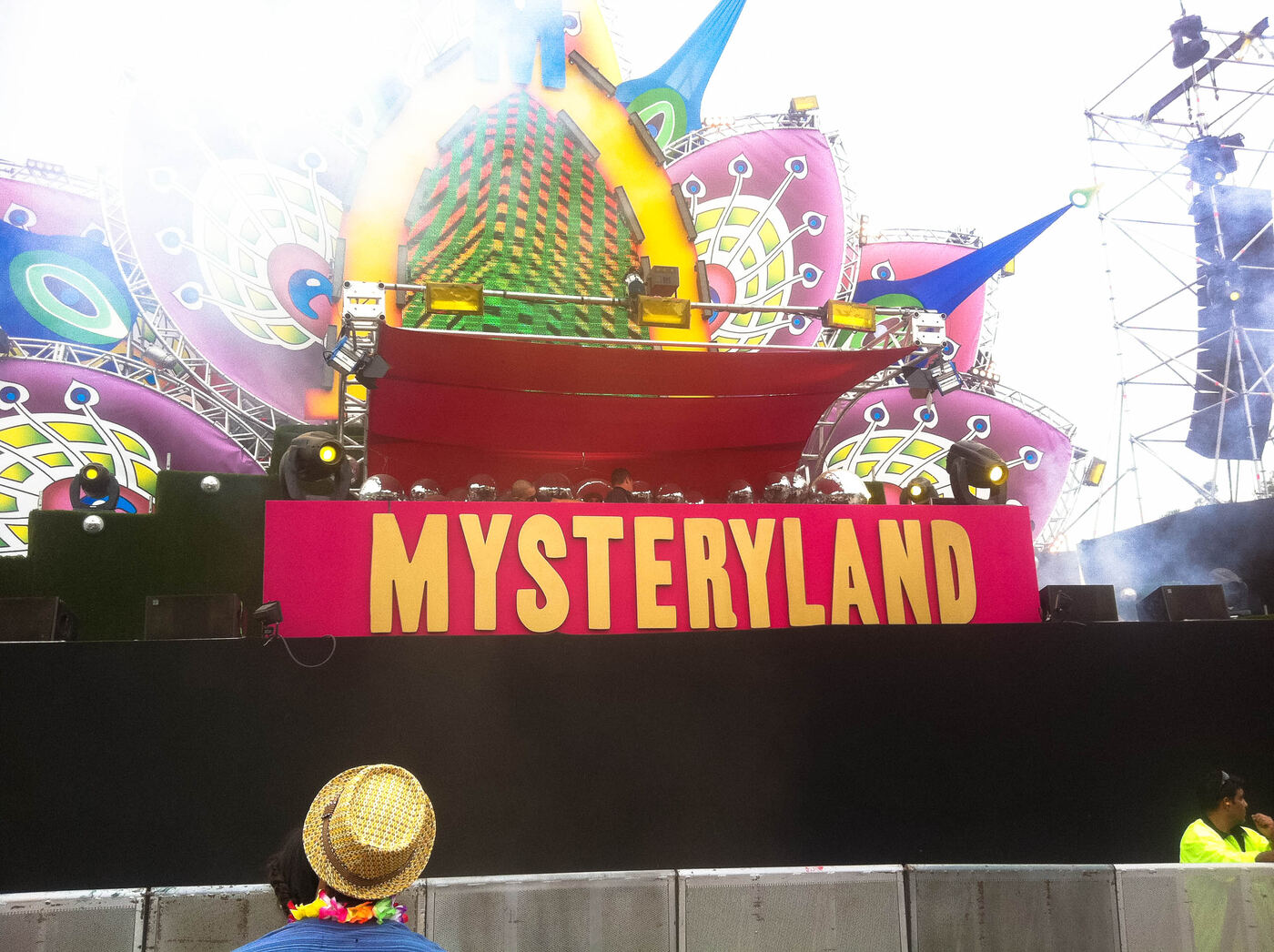
Mysteryland is often described as the world's longest running multi genre EDM festival, held for years on the former Floriade grounds in Haarlemmermeer, just outside Amsterdam. It ran its final edition "in its current iconic form" from August 22 to 24, 2025, and then organizers announced they were skipping 2026 completely, saying they wanted to "start from scratch" rather than run a diminished version of the same event. The reasons cited were rising production costs, shifting audience tastes, and a desire for genuine reinvention rather than a repeat. Crucially, this isn't a closure. Mysteryland has confirmed it will return in 2027 with a new concept (Digital Music News, Hard News).
That distinction matters. A festival choosing to pause and rebuild is a fundamentally different event than one that runs out of road.
Why did Ground Zero end for good?
Ground Zero, one of the Netherlands' long running harder styles and hardstyle events, held its final edition in 2026 and will not return. Organizers pointed directly to sharply increased operational costs as the reason for shutting down permanently rather than scaling back or pausing for a year. Unlike Mysteryland's strategic break, this is a closure with no announced future edition, the same production economics that are squeezing UK clubs showing up on the festival side of the ledger.
What happened to Defqon.1 and Solidays?
Late June 2026 brought a different kind of disruption entirely: weather. An extreme heatwave swept across Europe that weekend, and it forced organizers' hands regardless of budget or planning. Defqon.1, the major Dutch hardstyle festival that's run since 2003, was cut short mid event because of the heat. In Paris, Solidays, the benefit festival running since 1999, was cancelled outright under extreme heat warnings before it could even start (IQ Magazine, Digital Music News).
Neither Defqon.1 nor Solidays failed because of cost structure or falling ticket sales. They failed because the outdoor festival format is exposed to a kind of climate risk that a fixed indoor venue simply doesn't carry in the same way, and that exposure is a separate line item from the insurance and production cost pressures driving the other cancellations on this list.
Why did Music On lose its permit in Amsterdam, while thriving in Ibiza?
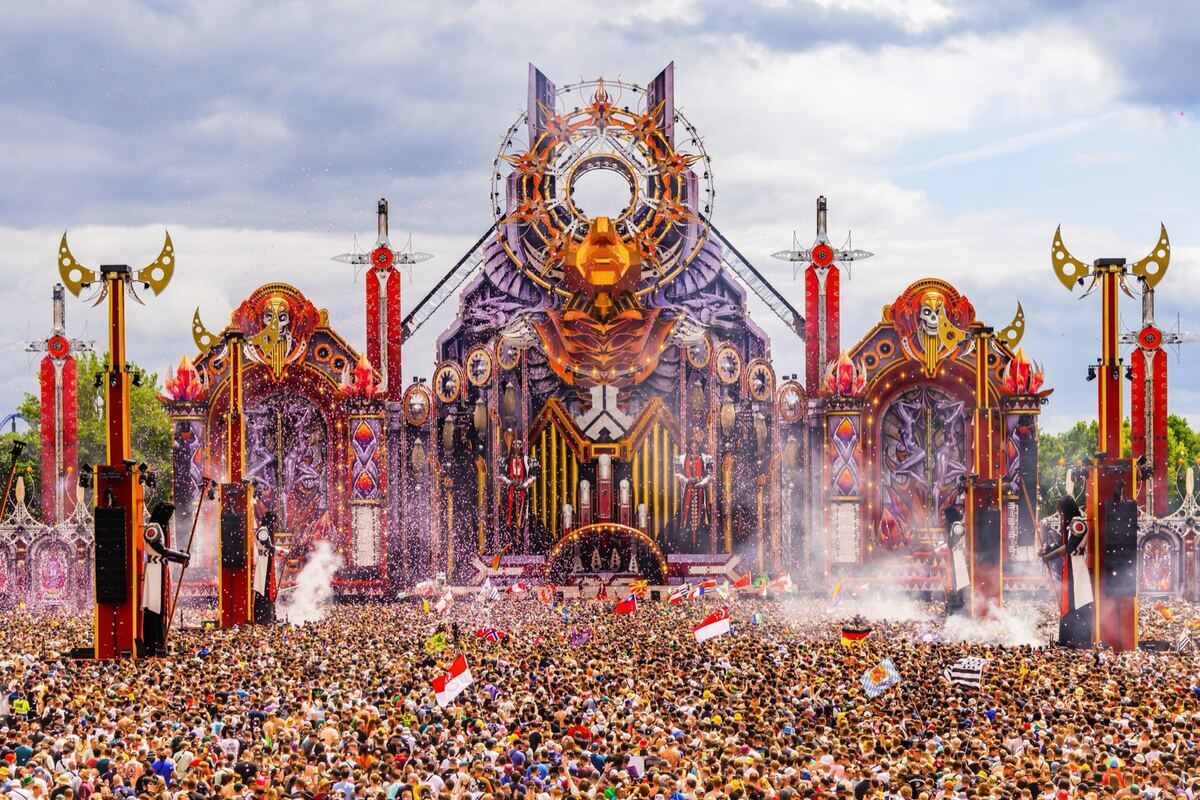
Music On Festival, the Amsterdam event tied to the Music On brand, was cancelled at the gate in May 2026 after its permit was revoked over structural safety concerns, a regulatory shutdown rather than a financial or weather related one (chartlex.com tracker).
The contrast with Music On's Ibiza operation is genuinely striking. As we detailed in our look at Ibiza's 2026 closing parties, Music On's residency at Pacha is closing out the season with a two part "Grand Closing Weekend," split across two separate lineups in early October, business as usual for one of the island's flagship club nights. Same brand, same year, opposite outcomes: a standalone outdoor festival losing its permit in Amsterdam while the club residency version of the same name keeps drawing crowds at Pacha. It's a clean illustration of how differently these two formats, fixed venue residencies versus one-off outdoor festivals, are currently weathering risk.
How far does this reach outside dance music?
Far enough that it's worth naming the scale, even though these aren't electronic events. The starkest is Bluesfest in Byron Bay, Australia, 36 years running before Bluesfest Enterprises Pty Ltd was placed into voluntary liquidation on March 12, 2026. Organizers cited rising production, logistics, insurance and touring costs, combined company debts exceeded $10 million AUD, and the liquidator's report suggested the company may have become insolvent as early as October 2025 (Noise11, Variety Australia).
In the US, Hot August Music Festival in Maryland was cancelled ahead of what would have been its 33rd edition, organizers pointing to ticket sales "well below any sustainable level needed to move forward." In the UK, Heritage Live scrapped its entire 2026 summer concert series, citing weak ticket sales, rising costs, and the collapse of a last minute financial rescue package (Live For Live Music, Celebrity Access). Neither is a dance festival, but both confirm the pressure runs across genres and continents.
What's actually driving the cost spike?
The numbers are stark. Average festival spending on safety and insurance rose from 6% of budgets in 2019 to 18% in 2025, tripling in six years. Cancellation insurance premiums specifically have climbed 12 to 18% since 2023, driven by weather volatility, post pandemic health risk clauses, and supply chain disruption for everything from generators to fencing. At the top of the market, headliner fees have also inflated into eight figure territory for a single slot, a general touring economics trend rather than something specific to underground electronic music, but it adds to the pressure (chartlex.com).
Put together, that's a picture of organizers absorbing far higher fixed costs before a single ticket goes on sale, on top of weather risk that keeps growing and a regulatory environment that isn't getting looser.
Is this an audience problem or a production problem?
This is the tension worth sitting with honestly. None of the cancellations above point to declining interest in the music itself. If anything, the opposite is true: electronic and dance music keeps showing up as one of the fastest growing genres by streaming listenership in the US, part of the same momentum behind America's hard techno boom. The contraction is specifically in the cost structure and risk tolerance of live festival production, not in whether people still want to hear this music played loud outdoors.
It's a pattern that echoes what we've seen elsewhere in the industry: vinyl just posted its best year since 1983, even as pressing plants strain to keep up with that same demand. Interest and infrastructure aren't always moving in the same direction at the same speed, and festivals in 2026 are a particularly visible version of that gap.
RTS.FM has broadcast underground house and techno since 2006, artist-run and non-commercial the whole way through. Tune into the live stream while you read.
For the rules that affect UK artists booked at European festivals, see Brexit and touring: what it means for DJs in 2026.
quick wins
- UK festival cancellations, postponements and permanent closures: 78 in 2024, 43 in 2025, and 20 by June 10, 2026 (a partial year count), per the Association of Independent Festivals.
- Globally, more than 100 festivals were cancelled in 2025, with roughly 50 of those in the Netherlands alone.
- Not all cancellations are the same failure mode: Mysteryland's 2026 skip is a strategic pause with a confirmed 2027 return, Ground Zero's 2026 edition was its last ever, and Music On Amsterdam lost its permit over safety concerns while its Ibiza residency at Pacha closes out the season as normal.
- Defqon.1 and Solidays were both disrupted by an extreme European heatwave in late June 2026, a weather risk distinct from the cost pressures driving other closures.
- Average festival spending on safety and insurance rose from 6% of budgets in 2019 to 18% in 2025, while cancellation insurance premiums are up 12 to 18% since 2023.
- The squeeze is happening while streaming data shows electronic and dance music as one of the fastest growing genres by listenership, so this is a live production and risk story, not an audience interest story.
Frequently Asked Questions
Is the UK festival cancellation wave the same story as UK nightclub closures?
No. They're related through the same broader cost and risk pressure on live electronic music, but they're different stories with different mechanisms. UK nightclub closures are driven by business rates, licensing rules like Cumulative Impact Policies, and noise complaint disputes tied to fixed venues, covered in our piece on why the UK keeps losing its nightclubs. Festival cancellations are driven by insurance costs, weather exposure, and one-off event permitting, a separate set of pressures affecting temporary outdoor events across multiple countries.
Did Mysteryland actually shut down?
No, and this is a common misreading of the story. Mysteryland held its final edition "in its current iconic form" in August 2025, then chose to skip 2026 entirely in order to reinvent itself with a new concept. Organizers have confirmed the festival will return in 2027. It's a deliberate pause, not a closure, which puts it in a different category from festivals like Ground Zero that have ended permanently.
Why did Music On's Amsterdam festival get cancelled if its Ibiza party is still happening?
Because they're two different events facing two different sets of risk. Music On Festival in Amsterdam was cancelled at the gate in May 2026 after its permit was revoked over structural safety concerns, a regulatory issue specific to that outdoor site. Music On's residency at Pacha in Ibiza is a club night inside an established, already licensed venue, and it's closing out its 2026 season with a two part Grand Closing Weekend in early October, as we covered in our Ibiza closing parties piece. Same brand, different city, and a completely different risk profile.
Are festivals failing because people have lost interest in dance music?
The evidence points the other way. Streaming data continues to show electronic and dance music as one of the fastest growing genres by listenership, and the US hard techno boom is one visible sign of that growing appetite. The cancellations documented here trace back to rising insurance and safety costs, weather disruption, and permitting problems, not falling demand for the music itself.
What's the difference between a festival that pauses and one that closes permanently?
A pause, like Mysteryland skipping 2026, comes with an announced plan to return, in that case a confirmed 2027 edition with a new concept. A permanent closure, like Ground Zero ending after its 2026 edition or Bluesfest Enterprises entering voluntary liquidation in March 2026, has no announced future edition. Weather-forced disruptions, like Defqon.1 being cut short and Solidays being cancelled during June 2026's heatwave, are a third category again: neither a strategic choice nor a financial failure, but an operational one forced by conditions on the day.
The throughline across all of this is that "festivals are struggling" isn't one story. It's several distinct pressures, cost structure, weather, and regulation, landing on the live festival format at the same time, while the music itself keeps finding new listeners. We'll keep tracking which of these festivals come back and which don't over on RTS.FM's Telegram.