05 SEPT 2026 · rts.fm editorial · updated 19 SEPT 2026
DJ Mag's 2026 Poll Closes Soon, Here's Kraviz's History
Voting for DJ Mag's Top 100 DJs 2026 closes September 16. Here's how the poll actually works, and what it has and hasn't said about Nina Kraviz.
Voting in DJ Mag's Top 100 DJs 2026 poll closes on September 16 at 23:59 GMT, with results due October 6, 2026. Nobody outside DJ Mag's own tallying room knows how the list will shake out this year, and anyone claiming otherwise is guessing. What we can talk about, honestly and with receipts, is what this poll actually is, how it has treated an artist like Nina Kraviz in years past, and why so many people inside underground dance music regard it with a raised eyebrow even as they quietly watch the numbers roll in.
What Is DJ Mag's Top 100 DJs Poll, Exactly?
Top 100 DJs is a public vote run by DJ Mag, now in its 33rd year since launching in 1993 to mark the magazine's 100th print issue. It is widely described, including by DJ Mag itself, as the world's largest publicly voted music poll. The format has stayed simple since public voting began: anyone can go online and pick up to five DJs, with no nominations process and no eligibility filter deciding who's allowed to be voted for in the first place.
That openness is the whole engine of the poll's scale, and also the root of most of its criticism, which we'll get to.
How Does the 2026 Vote Actually Work?
Voting for Top 100 DJs 2026 opened on July 8 and runs at top100djsvote.djmag.com through September 16, 2026 at 23:59 GMT. According to the confirmation page voters land on after casting a ballot, results will be announced on October 6, 2026, historically unveiled at a live awards show. In 2025 that show happened at [UNVRS] in Ibiza, the hyperclub that also topped DJ Mag's companion Top 100 Clubs poll that year, a pairing RTS.FM covered when Berghain fell to 21st as UNVRS took DJ Mag's No. 1 spot.
As of this writing, none of the 2026 results exist yet. Any article, social post, or bookmaker's odds claiming to know where anyone lands this year is either speculating or fabricating. We won't do either here.
The poll's own framing is that it has no gatekeeping mechanism at all: "with no nominations or eligibility criteria, Top 100 DJs remains a fully open poll, allowing voters to nominate any five DJs regardless of their profile or audience size." That line is doing a lot of work, because it means an artist's position is a function of raw vote-getting capacity, not a panel's judgment of skill, catalogue depth, or influence within a scene.
Why Has the Poll Been Criticized for Sidelining Underground Artists?
Because it counts votes, not credentials. A public poll with no gate rewards whoever can mobilize the largest, most digitally engaged fanbase in a narrow voting window, and that structurally favors festival-circuit and EDM-adjacent acts with big social followings, dedicated fan armies, and label or booking-agency machinery built around campaign pushes. Genres built around club culture rather than mainstage spectacle, techno, deep house, drum and bass, have historically struggled to compete on those terms, and critics have pointed this out for years: the list that in the mid-1990s reflected house and techno's dominance gradually tilted toward trance in the 2000s and then toward EDM's festival economy from roughly 2010 onward.
None of that means the winners lack skill. David Guetta's fifth Top 100 DJs victory in 2025, which put him alongside Martin Garrix and Armin van Buuren as the only three artists to top the poll five times, reflects a genuinely massive, durable global career. But it also reflects a fanbase built for exactly this kind of vote, arena and festival scale, active social campaigning, mainstream crossover reach, that most underground techno and house artists simply don't have and, in many cases, aren't trying to build.
The Structural Mismatch
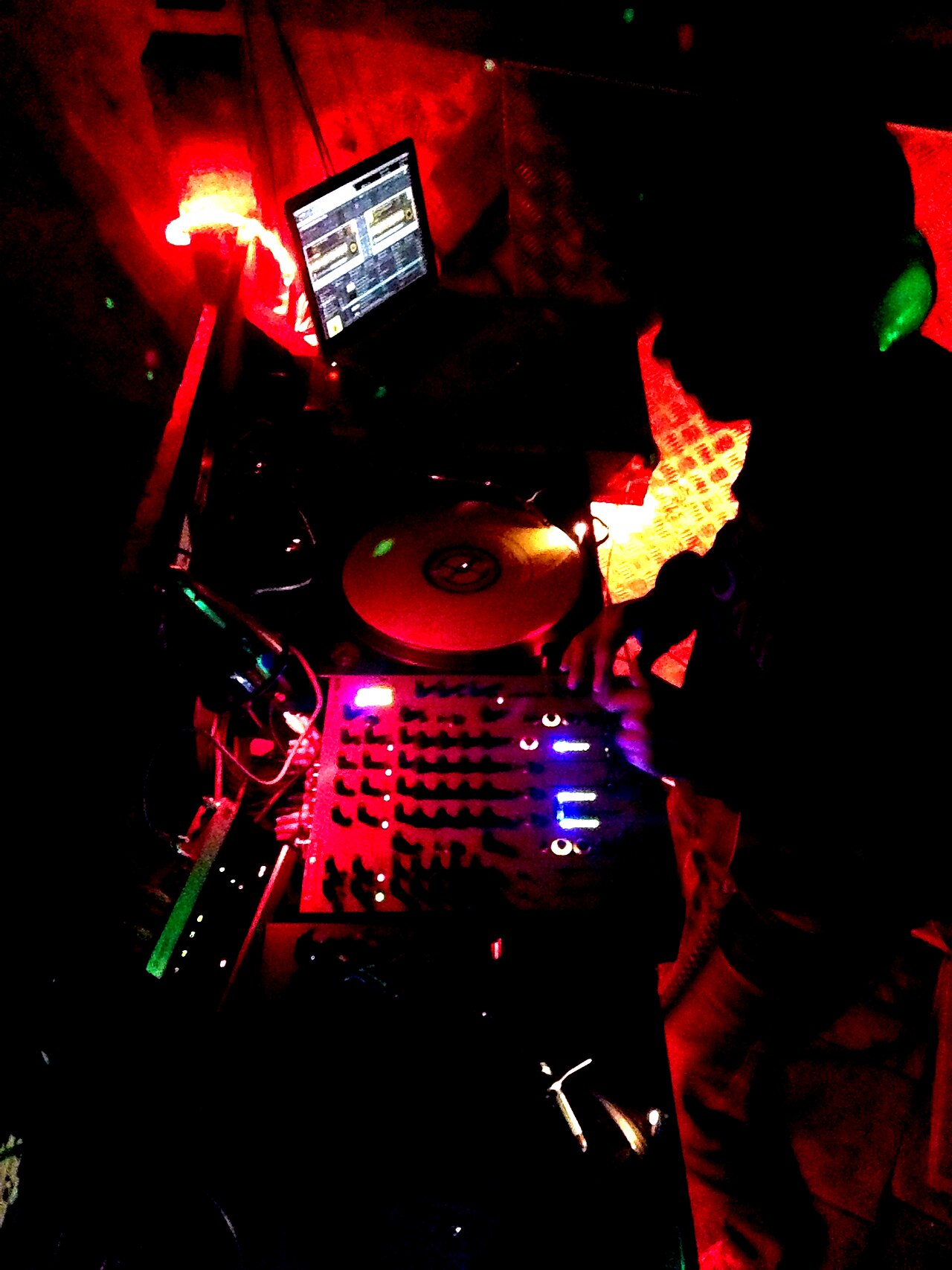
Club culture runs on different currency: residencies, peak-time sets that never get filmed for YouTube, word of mouth inside a scene, respect from other DJs and promoters. A poll that asks the general internet-voting public to name five favorite DJs is, almost by definition, going to undercount artists whose actual audience is a few thousand people who show up to a specific room on a specific night, versus artists whose audience is measured in festival attendance figures and streaming numbers.
Where Has Nina Kraviz Ranked in the Past?
Nina Kraviz's documented history in Top 100 DJs shows exactly this dynamic in miniature. According to DJ Mag's own archived results pages, she first entered the list at No. 97 in 2018, then climbed to No. 60 in 2019, dipped to No. 66 in 2020, and reached what appears to be her best recorded placement, No. 54, in 2021. Reporting on DJ Mag's subsequent "Next 50" features indicates she then fell out of the main 100 in the following years, landing further down the extended list rather than in the marquee top tier.
We want to be precise about the limits of what's verifiable here: DJ Mag's site does not appear to publish a single consolidated ranking archive for every artist across every year, and we could not independently confirm a specific 2024 or 2025 position for Kraviz through DJ Mag's own pages. Where a year's exact number isn't confirmable through a primary source, the honest move is to describe the trend rather than invent a figure, and the trend is clear enough on its own: a respected techno artist with a genuinely global touring career, her own label, трип, and one of the more recognizable voices in the scene, occupying the middle-to-lower half of a 100-name popularity list rather than its marquee positions.
That is not remotely a verdict on her standing within techno. It's a data point about what this particular poll measures. For a fuller look at what she's actually been building this year, from label output to her live calendar, see Nina Kraviz's 2026: New Label, Ibiza, and a World Tour, or go straight to where to catch Nina Kraviz on her 2026 world tour for the live calendar.
Does a Popularity Contest Even Measure the Right Thing?
That's the real question underneath all of this, and it doesn't have a clean answer. A poll that lets anyone vote for anyone, with zero curation, is going to produce a list that correlates strongly with mainstream visibility and campaign muscle, and only loosely with the kind of respect an artist commands inside the room where techno and house actually live. DJ Mag itself doesn't pretend the poll is a critics' ranking of technical skill; it's explicitly a popularity measure, and has been candid that commercial reach and vote-mobilization drive outcomes as much as anything else.
The tension isn't really new, and it isn't unique to Kraviz. It's the same gap that shows up whenever a scene built on peak-time sets in dark rooms gets measured by a metric built for arena headliners: the numbers tell you who has the biggest audience, not who's shaping what the audience will sound like in five years.
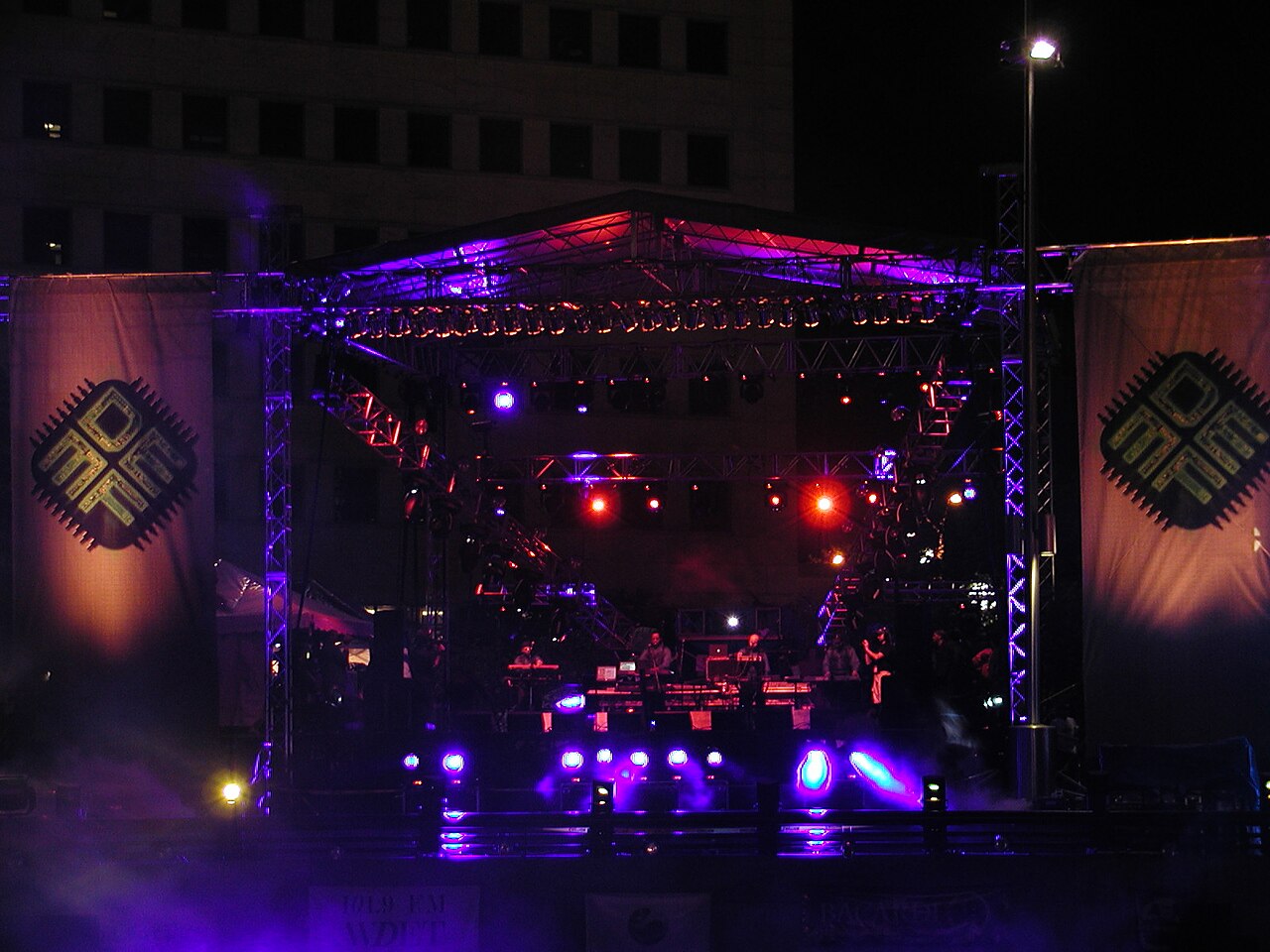
This is precisely the gap RTS.FM exists to sit in. We've never run a vote, never sold a mainstage slot, and never measured an artist's worth by follower count. Since 2006 the whole point has been artist-run, non-commercial radio that platforms techno and house on the strength of the music, not a campaign push. If you want a sense of what gets championed here instead of what wins a popularity contest, tune into the stream at rts.fm, dig through releases on our Bandcamp, or follow the day-to-day on our Telegram.
quick wins
- DJ Mag's Top 100 DJs 2026 voting is open now and closes September 16, 2026 at 23:59 GMT, with results announced October 6, 2026.
- The poll launched in 1993 and is now in its 33rd year, billed as the world's largest publicly voted music poll.
- It has no nominations process or eligibility criteria, anyone can vote for any five DJs.
- David Guetta won his fifth Top 100 DJs title in 2025, tying Martin Garrix and Armin van Buuren as the only five-time winners.
- Nina Kraviz's confirmed DJ Mag rankings run from No. 97 (2018) up to her best recorded spot, No. 54, in 2021, before dropping out of the main 100 in later years.
- Critics have long argued the poll's open-vote format structurally favors festival and EDM-scale artists over club-rooted underground DJs.
Frequently Asked Questions
When do the DJ Mag Top 100 DJs 2026 results come out?
DJ Mag has stated results will be announced on October 6, 2026, per the confirmation page shown to voters at top100djsvote.djmag.com. Voting itself closes September 16, 2026 at 23:59 GMT.
How does DJ Mag's Top 100 DJs poll actually work?
It's a fully open public vote with no nominations and no eligibility screening. Anyone can vote online for up to five DJs, and the final ranking is simply a tally of those votes, not a judged or curated critics' list.
Has Nina Kraviz ranked in DJ Mag's Top 100 before?
Yes. DJ Mag's own archived pages show her entering at No. 97 in 2018, rising to No. 60 in 2019, No. 66 in 2020, and No. 54 in 2021, her best confirmed placement. She dropped out of the main 100 in subsequent years, based on DJ Mag's published "Next 50" coverage, though we could not verify an exact recent-year figure through a primary DJ Mag source.
Is DJ Mag's poll considered an accurate measure of DJ skill?
No, and DJ Mag doesn't market it that way. It's a popularity poll driven by public voting and vote-mobilization campaigns, which critics say favors mainstream, festival-scale artists over club-rooted underground DJs regardless of technical ability or scene influence.
Why does the poll skew toward mainstream EDM and festival artists?
Because it has no curation layer. An open vote rewards whichever artists can mobilize the largest, most digitally engaged fanbases in a short window, a structural advantage that tends to sit with festival headliners and EDM-adjacent acts over DJs whose core audience is smaller club crowds.