01 SEPT 2026 · rts.fm editorial · updated 19 SEPT 2026
Nina Kraviz and Jeff Mills Shared a Bill at Fabric
On July 25, 2026, Nina Kraviz and Jeff Mills shared a Junction 2 x fabric bill in London, a rare pairing of techno's generations.
Some club nights are memorable because of the music. Others earn a place in the calendar because of who is standing next to whom on the poster. On July 25, 2026, London got both. Junction 2's outdoor day at Boston Manor Park rolled straight into "Junction 2 x fabric by Night" at fabric's Charterhouse Street home, and the resulting bill put Nina Kraviz alongside Jeff Mills, the Detroit originator whose career predates most of the acts sharing the stage with him by a full generation. Polygonia b2b Pearson Sound, Francesco Del Garda, Peach, GiGi FM and Anna Wall rounded out a lineup that read less like a standard festival afterparty and more like a lesson in how techno's timeline actually connects.
What Happened at Fabric on July 25, 2026?
Junction 2's 2026 edition, billed as J2 X to mark ten years of the festival, split its programming across a daytime outdoor session at Boston Manor Park in Brentford and an evening leg staged indoors at fabric in Farringdon. The daytime stages, The Bridge (set beneath the M4 flyover) and The Woods (a wooded, more intimate dancefloor), carried the festival's usual open-air scale. Once the park gates closed, the night moved into fabric's three-room building on Charterhouse Street for "Junction 2 x fabric by Night," with Jeff Mills anchoring the room alongside Polygonia b2b Pearson Sound, Francesco Del Garda, Peach, GiGi FM and Anna Wall, the event listed on Resident Advisor and detailed on fabric's own event page. Nina Kraviz's set carried across the day-into-night arc, putting her name on the same bill as Mills for an evening that closed out a decade of Junction 2 programming with one of the more unusual generational pairings London clubbing has staged this year.
Why Does Fabric London Matter to Techno History?
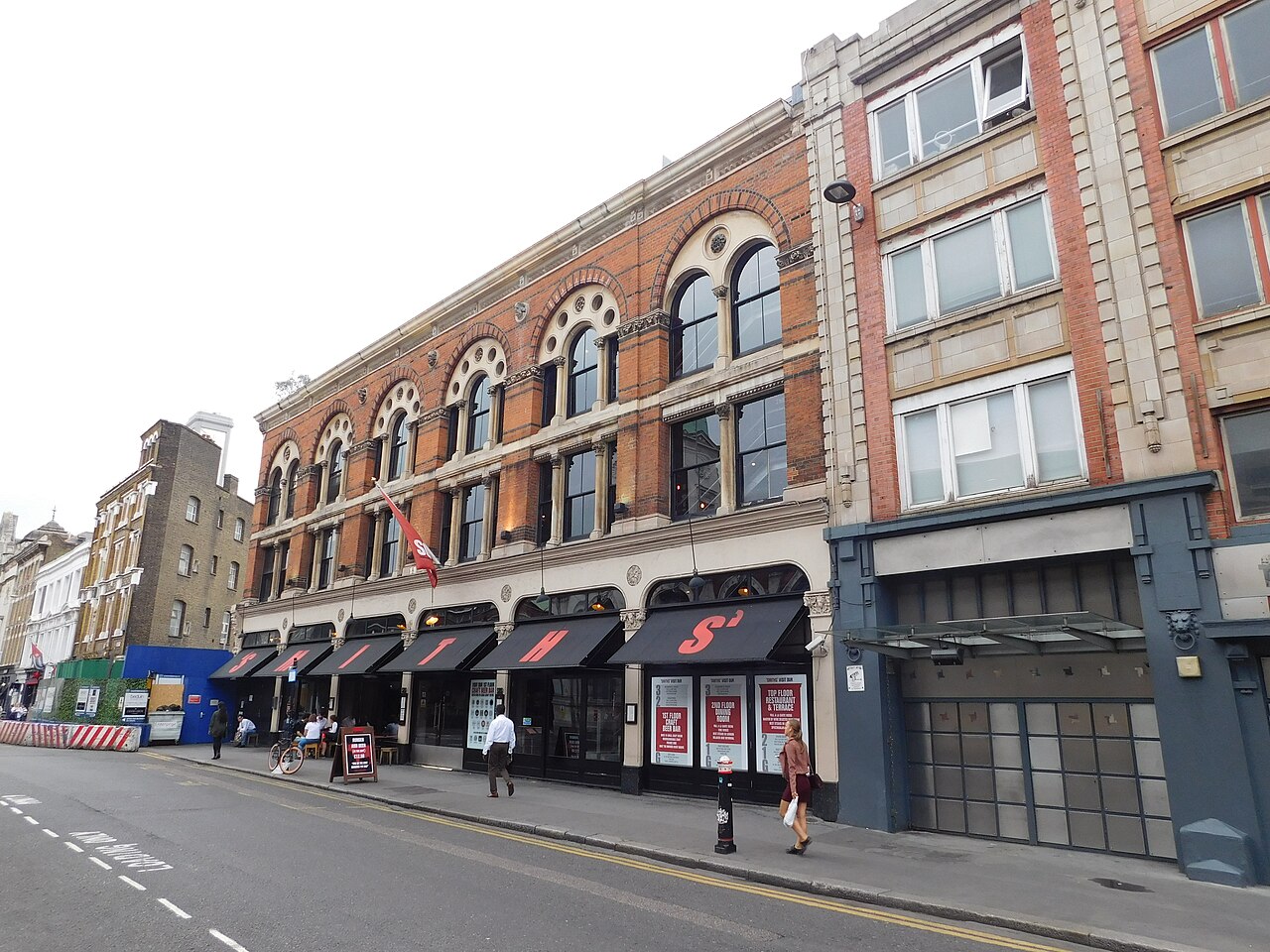
Fabric is not a neutral backdrop for a lineup like this. It is one of a handful of rooms anywhere in the world that a booking here means something on its own, independent of who is playing. The club opened on October 29, 1999, founded by Keith Reilly and Cameron Leslie inside a converted Victorian cold store across the road from Smithfield Market, and it has spent the twenty-seven years since building a reputation that regularly puts it near the top of international club rankings, according to Wikipedia's entry on the venue.
The Bodysonic Dancefloor
Room One's floor is the club's signature feature. Sections of it sit on roughly 400 bass transducers, so the low end of a techno record does not just come through the speaker stacks, it moves through the floor and into the dancer's body. It is a genuinely rare piece of design in club architecture, and it is a large part of why fabric's Room One has a reputation that travels well beyond London.
The 2016 Licence Fight
Fabric's history has not been uninterrupted. In August 2016, following the drug-related deaths of two 18-year-olds at the venue, the club closed voluntarily pending review, and Islington Council revoked its operating licence that September, citing failures in its drug policy. What followed was one of the more significant grassroots campaigns in recent UK nightlife history: the #SaveFabric campaign drew support from across the electronic music industry and beyond, an online petition passed 140,000 signatures, and the club reached a settlement with the council in November 2016 that allowed it to reopen under stricter conditions, including tightened searches and an ID policy restricting entry for under-19s late at night. The episode became a rallying point for the UK's wider night-time economy, feeding directly into London's later creation of a Night Czar role and a broader conversation about how licensing authorities treat clubs versus other late-night venues. Fabric's survival mattered because its closure would have removed one of the only rooms in the world purpose-built, sonically and culturally, for the kind of music this Junction 2 night was built around.
What Is Junction 2 and Why Boston Manor Park?
Junction 2 launched in 2016 as a single-day outdoor festival at Boston Manor Park in Brentford, west London, built specifically around house and techno rather than the broader dance-music mix most UK festivals chase. Its first edition drew around 5,000 people for a bill headlined by names like Richie Hawtin and Ben Klock, and it grew from there while keeping the same core identity: no VIP areas, a serious sound rig, and a booking policy that leans toward the same DJs and labels that define club culture rather than festival culture. The M4 flyover running through the park became the festival's visual signature, with The Bridge stage built directly underneath it. Ten years on, 2026's J2 X edition marked that anniversary by extending the festival's reach into fabric itself, folding a club night into what has always been an outdoors-first event, a pairing that made sense precisely because Junction 2 and fabric have spent a decade booking from the same pool of artists and drawing the same audience.
Who Is Jeff Mills and Why Is He Called the Wizard?
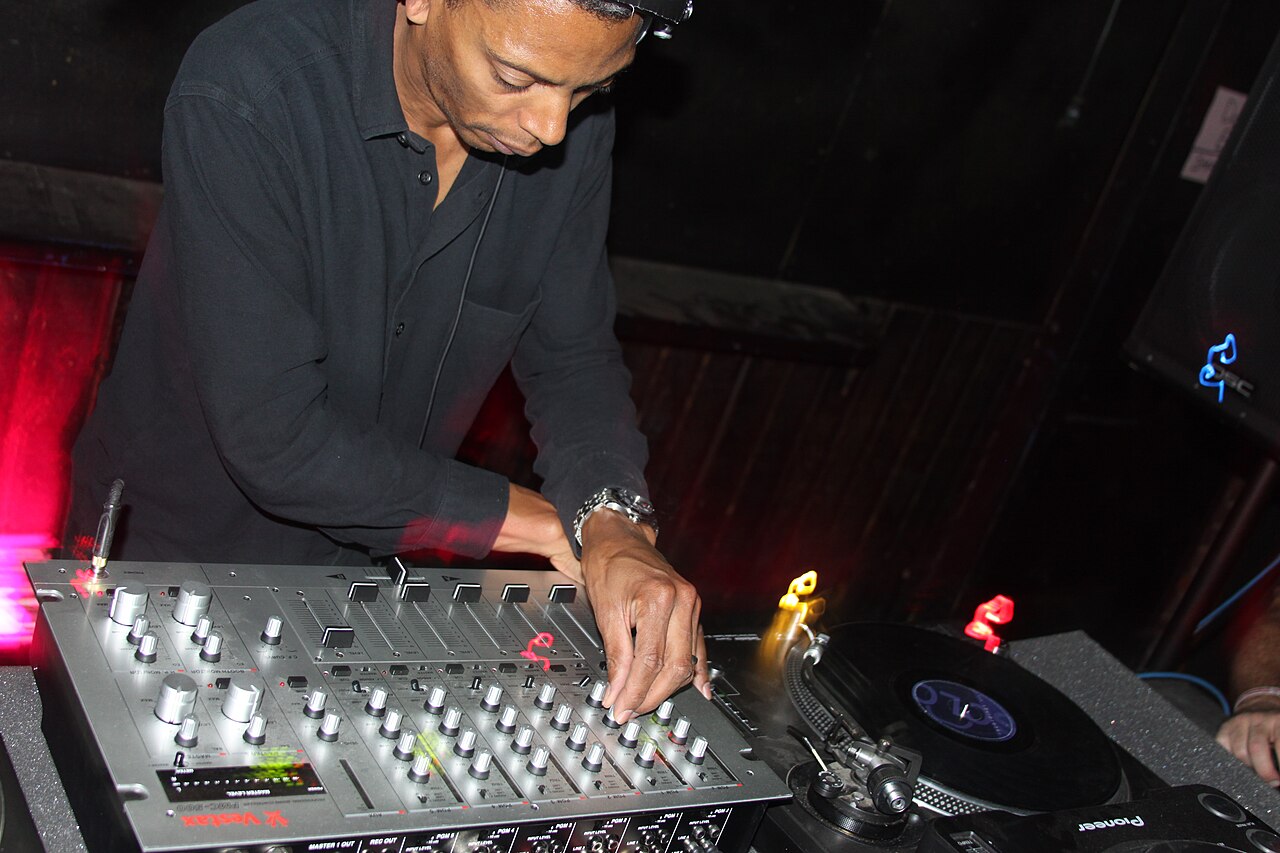
Jeff Mills is one of the handful of people who can reasonably be credited with helping invent techno as a genre rather than just performing within it. Born in Detroit on June 18, 1963, Mills built his early reputation as a radio mixer, spinning rapid-fire, technically dense sets on Detroit stations WDRQ and WJLB under the name "the Wizard" in the early 1980s, a residency that helped introduce the city to Juan Atkins, Derrick May and Kevin Saunderson years before "techno" was a word most people used, per Wikipedia's account of his career.
Underground Resistance and Detroit Roots
In the late 1980s, Mills co-founded Underground Resistance alongside Mike Banks and Robert Hood, a label and collective that turned Detroit techno into something closer to a political statement than a dance genre, refusing major-label deals and building a militant, self-sufficient identity around the music. For readers tracing that lineage further, RTS.FM's own coverage of Movement Festival and Detroit's techno legacy digs into how that city's originators, Mills included, shaped everything that came after them. Mills left Underground Resistance around 1991 to go solo, moving through New York, Chicago and eventually Berlin, and in 1992 he co-founded Axis Records with Robert Hood, a label built around a stripped-back, mechanical, deliberately minimal sound that became one of the defining aesthetics of 1990s techno.
The Minimalist Futurist
Mills' style, built around three turntables mixed live and a fondness for the Roland TR-909, is often described as minimalist and futurist in the same breath: sparse, relentless, and pointed toward science fiction and space themes that run through album titles and visual work across his catalogue. France awarded him its Ordre des Arts et des Lettres in 2017, and his influence runs wide enough that Eminem name-checked him on record. Almost four decades into his career, Mills remains one of techno's most reliably forward-looking performers rather than a heritage act coasting on history.
Why Does Pairing Jeff Mills with Nina Kraviz Matter?
Put simply, Mills and Kraviz represent two different eras and two different ways of thinking about techno, and having them on the same bill is a statement about continuity rather than nostalgia. Mills came up through Detroit's original wave, radio culture, Underground Resistance, and a minimalist blueprint that treats restraint as the whole point. Kraviz emerged roughly three decades later out of Siberia and Moscow's club scene, built an international following through her own label trip and an eclectic, unpredictable style that moves between raw acid lines, vocal-driven house, and heavier techno within a single set, and has become one of the most influential bookings of her generation. Readers following her current run can catch more detail in RTS.FM's look at Nina Kraviz's 2026 season and the full rundown of where to catch her on tour this year. Putting these two artists on one bill, in a room built for exactly this kind of music, is the sort of booking that only makes sense once a genre has enough history behind it to have generations at all. Techno turns forty this decade. A night like this one is what that actually looks like in practice, not a tribute, just two different lineages of the same idea sharing a floor.
quick wins
- Fabric opened October 29, 1999, in a converted Victorian cold store on Charterhouse Street, Farringdon.
- Room One's "bodysonic" floor runs on roughly 400 bass transducers built into the dancefloor itself.
- Islington Council revoked fabric's licence in September 2016; a #SaveFabric campaign and 140,000-signature petition helped reverse it that November.
- Junction 2 launched in 2016 at Boston Manor Park, Brentford, drawing about 5,000 fans in its first year.
- Jeff Mills co-founded Underground Resistance with Mike Banks and Robert Hood in Detroit before starting Axis Records in 1992.
- The July 25, 2026 "Junction 2 x fabric by Night" bill placed Nina Kraviz and Jeff Mills alongside Polygonia b2b Pearson Sound, Francesco Del Garda, Peach, GiGi FM and Anna Wall.
Frequently Asked Questions
When did Nina Kraviz and Jeff Mills play together at fabric?
The date was Saturday, July 25, 2026, as part of "Junction 2 x fabric by Night" at fabric London, following an outdoor daytime session at Boston Manor Park earlier the same day.
Why is fabric London considered such an important club?
Fabric opened in 1999 and built its reputation on its three-room layout and its Room One "bodysonic" dancefloor, which transmits bass through the floor via built-in transducers. It has repeatedly ranked among the world's top clubs and survived a 2016 licence revocation after a major industry-backed campaign.
What is Junction 2, and where is it held?
Junction 2 is a house and techno festival held at Boston Manor Park in Brentford, west London, running annually since 2016. It is known for its M4 flyover-adjacent Bridge stage, its no-VIP booking ethos, and a lineup policy drawn from club culture rather than mainstream festival culture.
Who is Jeff Mills, and why does he matter to techno history?
Jeff Mills is a Detroit-born DJ and producer who helped popularize the city's early techno scene through his "the Wizard" radio mixes, co-founded Underground Resistance in the late 1980s, and later founded Axis Records, becoming one of the genre's most influential minimalist and futurist voices.
How is Nina Kraviz different from Jeff Mills stylistically?
Kraviz draws from a wider and more eclectic palette, moving between acid, house and techno within a set, and emerged from Siberia and Moscow's club scene decades after Mills established Detroit's original techno blueprint. Their shared bill highlighted how differently two generations of techno artists can approach the same genre.
If a night like this one is the kind of lineup that gets your attention, RTS.FM has been streaming underground house and techno, artist-run and non-commercial, since 2006. Tune into the live stream, dig through releases on Bandcamp, or join the conversation on Telegram.