DJ & Producer · Detroit, Michigan
Jeff Mills
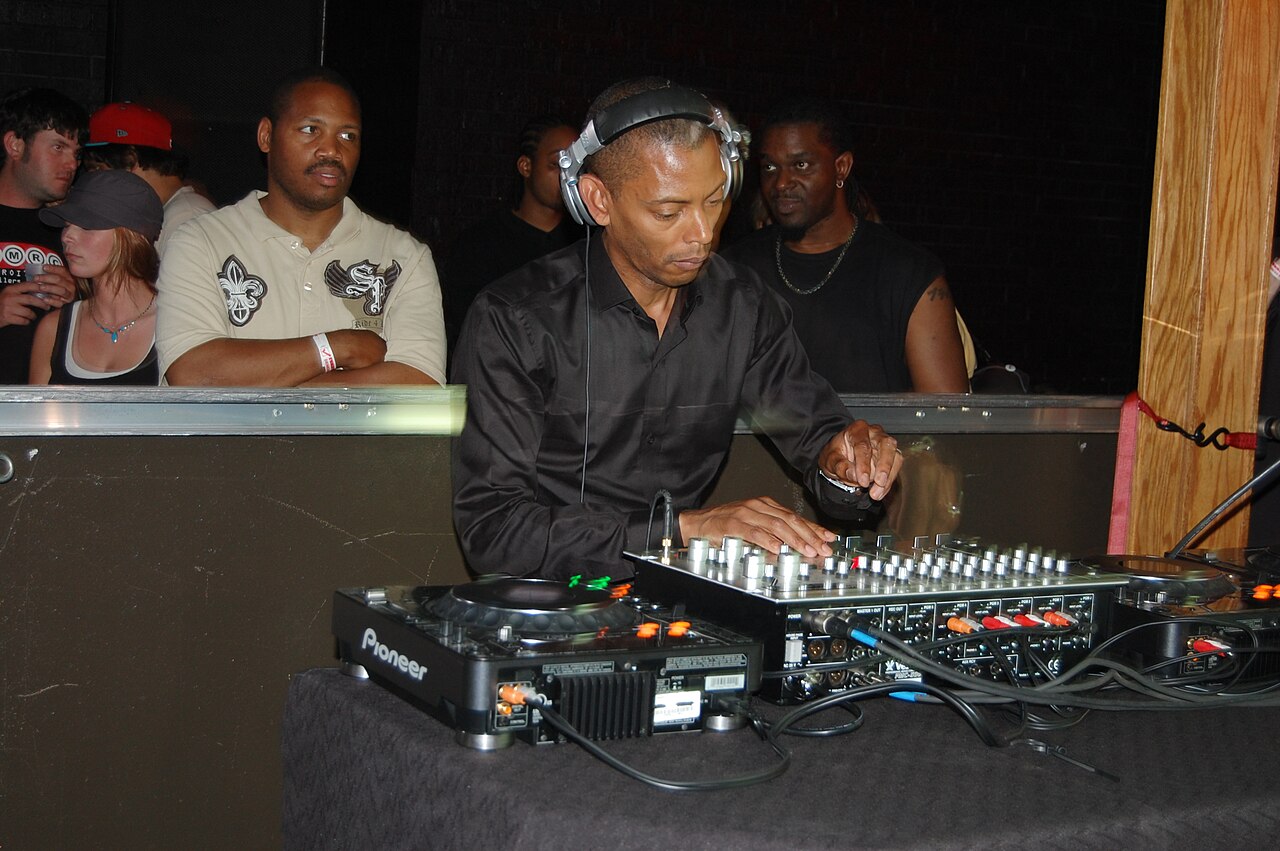
Detroit techno originator Jeff Mills built Underground Resistance and Axis Records, then spent three decades redefining minimal techno worldwide.
quick facts
- Also known as
- The Wizard, True Faith
- Born
- 18 June 1963
- Birthplace
- Detroit, Michigan, United States
- Nationality
- American
- Labels
- Axis Records, Purpose Maker, Tomorrow
- Genres
- Detroit Techno, Minimal Techno
Sources: en.wikipedia.org, de.wikipedia.org, axisrecords.com
Ask anyone who caught Jeff Mills working three decks and a drum machine at once, and they will tell you it never looked like ordinary DJing. It looked like something being assembled live, under pressure, with no safety net. That reputation was not built overnight. Mills has been doing this since Detroit's earliest techno broadcasts in the 1980s, and he is still doing it now, which puts him in a category of dance music figures that is smaller than the genre likes to admit.
Detroit Roots and the Wizard
Mills was born on June 18, 1963, in Detroit, and came up in the same city, the same era, that produced the Belleville Three, the trio whose story anchors Movement festival's own 20th anniversary and Detroit's history as techno's birthplace. Before he was known as a producer, Mills was known as a radio mixer. As "the Wizard," he hosted a nightly show, first on WDRQ and later WJLB, where he built a local following on beat juggling, rapid scratching and mixes that jumped between New Wave, industrial, electro and the emerging Detroit and Chicago house and techno sounds. He was still in his teens when the show started, and the speed and precision of those broadcasts became part of Detroit radio lore well before Mills had a record out under his own name.
Underground Resistance
In the late 1980s, Mills co-founded Underground Resistance with "Mad" Mike Banks and Robert Hood, a group that positioned itself explicitly outside the mainstream music industry, performing in ski masks and combat gear and treating techno as a political project as much as a musical one. The trio released a run of EPs together before Mills left the collective around 1991 to relocate to New York, where he took up a residency at the Limelight club and began building a solo career on his own terms.
Axis Records and the Minimal Turn
Mills founded Axis Records in 1992, and the label became the vehicle for the sound he is now most associated with: stripped-down, hypnotic, relentlessly functional techno built around repetition rather than melody. Axis spawned sub-labels, including Purpose Maker and Tomorrow, that let Mills separate his rawer, DJ-tool material from more conceptual, album-length work. Around the same period he became a resident at Tresor in Berlin, one of the clubs most responsible for exporting Detroit's sound back across the Atlantic, and the connective tissue between Detroit's originators and the European scenes that later built rooms like Frankfurt's Omen, the club at the center of Cocoon Recordings' own 25-year story, where Mills himself played across the 1990s.
Sound and Style
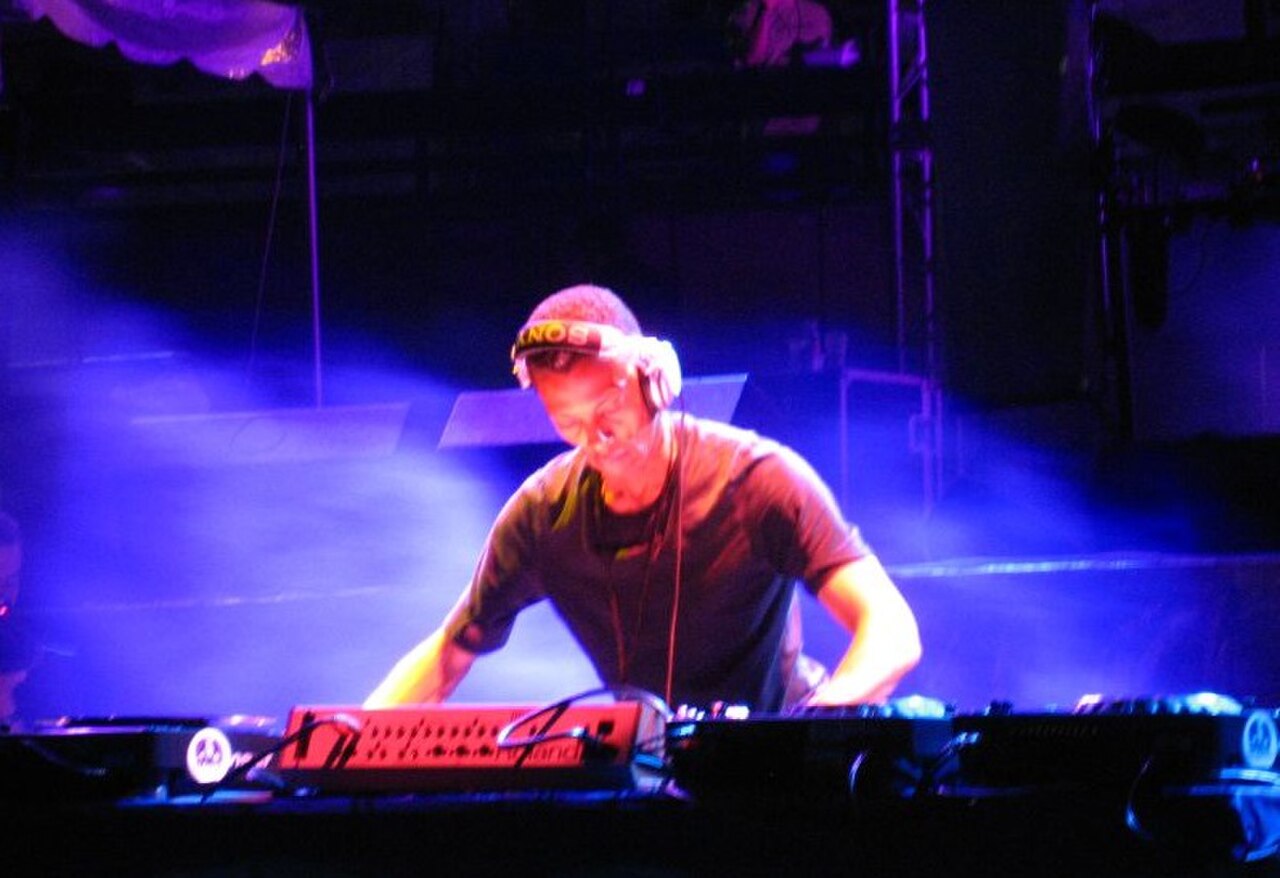
Mills built a technical reputation that is unusual even among techno's more skilled selectors. He has played sets using three turntables or CDJs simultaneously, often paired with a Roland TR-909 drum machine live on top of the mix, pushing well beyond the two-deck standard most DJs work with. That approach produces a sound that is fast, sparse and mechanically precise, techno stripped to kick, hat and a handful of moving parts, which is exactly what minimal and hypnotic techno as genre terms are usually describing. His catalogue extends well past club records. He scored a new soundtrack for Fritz Lang's silent film Metropolis, released in 2000, later performed a live four-turntable cinemix for Lang's earlier silent feature Woman in the Moon (1929), recorded Blue Potential, a 2006 live album with the Montpellier Philharmonic Orchestra, and released Tomorrow Comes the Harvest, a 2018 collaboration with Afrobeat drummer Tony Allen. In 2017, the French government named Mills a Chevalier of the Ordre des Arts et des Lettres, formal recognition of an influence that had already been evident in clubs for three decades.
Career Highlights and the Next Generation
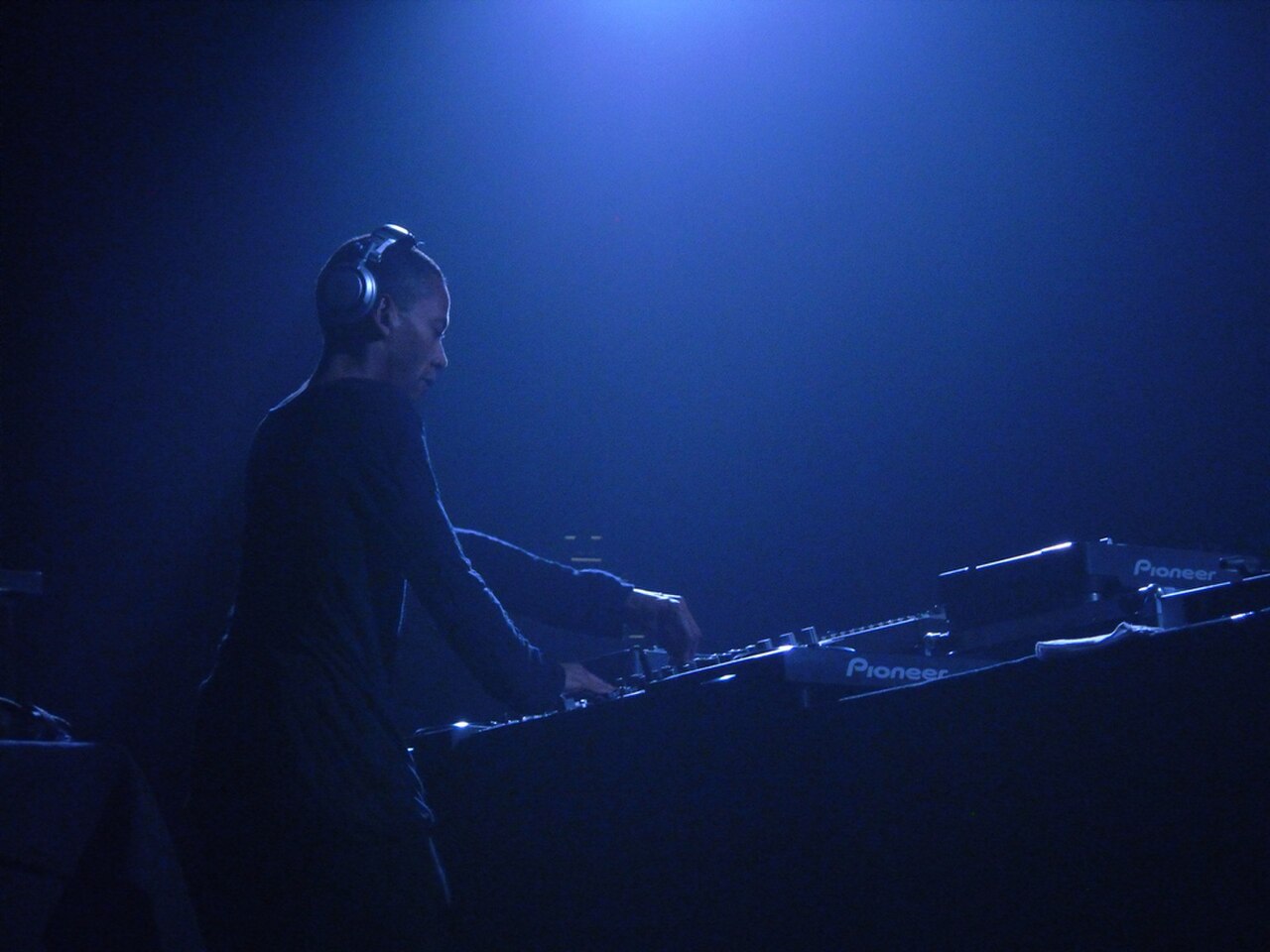
Mills' guest bookings read like a map of techno's most important rooms, including a residency-era relationship with clubs across Germany, one of which was Munich's BLITZ, the Ilian Tape-affiliated venue that closed in 2026 after nine years as one of the country's most respected small techno rooms, with Mills among the guest names that appeared on its programming history.
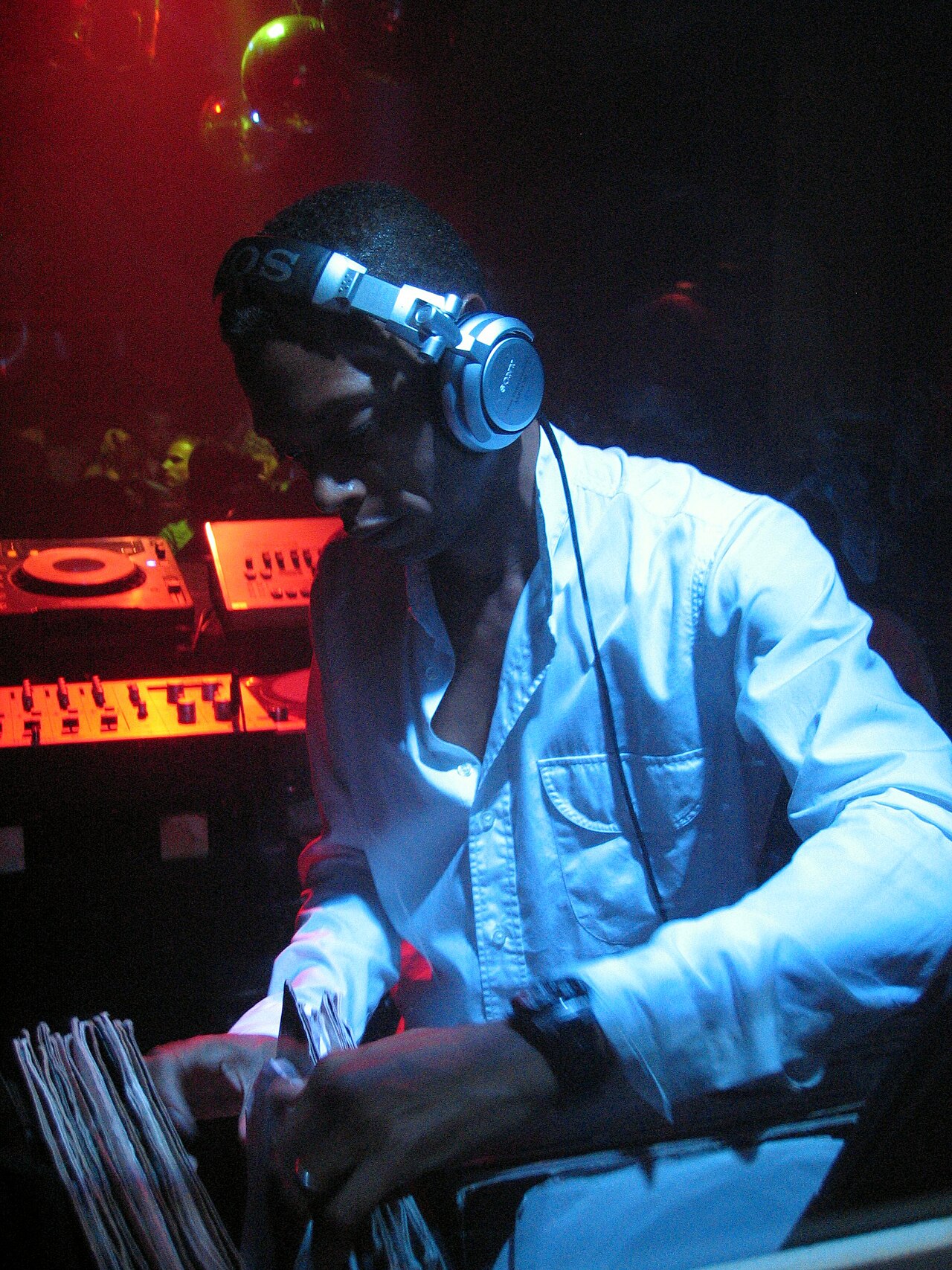
His relevance has not dimmed with age. In July 2026, Mills shared a bill with Nina Kraviz at Junction 2 x fabric by Night in London, a pairing that read as a direct line between Detroit's founding generation and the artists carrying techno forward today, the same artists tracked across Nina Kraviz's own eventful 2026. Few DJs from Mills' original cohort still headline rooms alongside performers thirty years their junior on equal footing. Fewer still do it while remaining recognizably, unmistakably themselves behind the decks.
FAQ
Who is Jeff Mills?
Jeff Mills is a Detroit-born DJ, producer and composer, born June 18, 1963, who co-founded Underground Resistance and later founded Axis Records. He is regarded as one of the foundational figures of Detroit techno and a pioneer of the minimal and hypnotic techno style.
What was "the Wizard"?
The Wizard was Mills' identity as a radio mix show host in Detroit in the 1980s, first on WDRQ and later WJLB, known for fast, technical beat juggling and scratching across New Wave, industrial, electro and early Detroit techno.
What is Axis Records?
Axis Records is the label Mills founded in 1992 to release his own minimal, stripped-down techno productions, along with sub-labels including Purpose Maker and Tomorrow for different strands of his output.
Was Jeff Mills part of Underground Resistance?
Yes. Mills co-founded Underground Resistance in the late 1980s with "Mad" Mike Banks and Robert Hood before leaving the collective around 1991 to pursue a solo career, first from New York and then through Axis Records.
What makes Jeff Mills' DJ sets distinctive?
Mills is known for mixing on three decks or CDJs at once, frequently layering a live Roland TR-909 drum machine into his sets, producing a fast, mechanically precise style of mixing that has few direct peers in techno.
festivals
- DGTL AmsterdamAmsterdam, 26-28 MAR 2027→
- Time WarpMannheim, 03 APR 2027→
- Sonar BarcelonaBarcelona, 17-19 JUN 2027→
- Sea You FestivalFreiburg, 16-18 JUL 2027→
- Kappa FuturFestivalTurin, 2-4 JUL 2027→
- Awakenings FestivalHilvarenbeek, 9-11 JUL 2027→
- NachtdigitalLeipzig, 30 JUL 2027 - 01 AUG 2027→
- Dekmantel FestivalAmsterdam, 30 JUL 2027 - 01 AUG 2027 (est., unconfirmed)→
- MovementDetroit, 29-31 MAY 2027→
- Junction 2London, Dates TBA→
- Dimensions FestivalTisno, 26-31 AUG 2027→
- MUTEKMontreal, 24-29 AUG 2027→
- Nature OneKastellaun, 29 JUL 2027 - 01 AUG 2027→
- RewireThe Hague, 8-11 APR 2027→
Past appearances and announced lineups only, each checked against the festival's own records.