17 SEPT 2026 · rts.fm editorial
Ibiza's Young Locals Turned a Beach Party Into a Protest
Over 100 young Ibicencos turned a beach picnic into a protest on September 6, arguing the island's nightlife economy no longer has room for them.
More than 100 young people gathered on a beach in Ibiza on September 6 and staged the kind of protest that only makes sense on an island built around a party economy: they turned a traditional watermelon-sharing picnic into a demonstration against the industry that pays most of their wages. The line that cuts closest to home for anyone who cares about electronic music came from the protesters themselves, as reported by the New York Post: if you want to have fun on the island, "it will probably be electronic music. Young people live on the island, but without it being for them."
A Watermelon Party as Protest
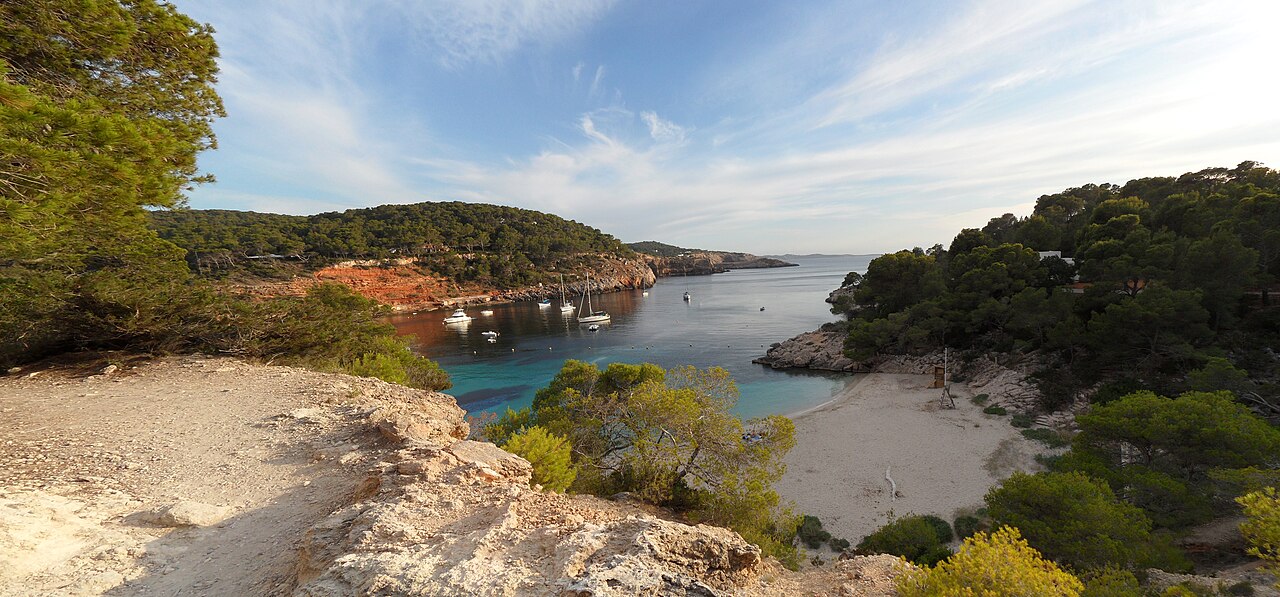
The gathering took place at Cala Saladeta beach in Sant Antoni de Portmany, organized by the Associació de Joves d'Eivissa, known in English coverage as the Ibiza Youth Association. The event was formally billed as a "Xindriada Popular," a traditional beach picnic built around sharing watermelon, repurposed here into a full afternoon of games, swimming, food and a reading of the group's manifesto. Banners at the beach read "The island is not for sale" and "Wherever you look, it's all tourists," and the manifesto reportedly criticized a tourism model built to serve, in the group's words, wealthy foreigners and famous partygoers rather than the people who actually live there.
The association describes its own mission as building community, sharing cultural concerns and keeping local traditions alive. Its broader complaint, echoed across multiple outlets covering the protest, is blunt: the island's economy leaves almost no room for young residents outside tourism itself. "If you want to work, you will have to work mostly in the tourism sector," the group said, and the fun on offer, largely electronic music, gets priced and packaged for visitors rather than the people who grew up there.
Who's Behind the Association
The Ibiza Youth Association is a genuinely new organization, publicly introduced in January 2026 after growing out of informal conversations in a bar in Sant Rafel about a proposed ring road. It describes itself as non-partisan but not apolitical, deliberately structured without a single leader and open to members aged 14 to 30. Two of its members, Sílvia Ramón Torres, a 21-year-old social educator, and Marc Serra Ramis, a 22-year-old video game development student, have become its public faces in local press.
Housing and tourism are only part of what the group organizes around. Its platform also covers education reform, labor market conditions, and defense of Catalan language and cultural identity against what it calls exorbitant economic growth. The beach protest is not its last planned action either: the association has already called a second demonstration for September 20, this time against Ibiza airport's expansion plan, opposing new boarding gates, an expanded VIP lounge and a proposed non-Schengen terminal zone, alongside allegations of illegal wastewater discharge near the Ses Salines Natural Park. That march is backed by several established environmental and cultural groups on the island, including GEN-GOB and the Institut d'Estudis Eivissencs.
What Residents Actually Want
The beach protest did not appear out of nowhere. A survey commissioned by the regionalist party Ara Més and published in April 2026, covering 2,008 residents across Mallorca, Menorca, Ibiza and Formentera, found that 75.6 percent of respondents believe the islands already receive too many tourists, 80.5 percent want fewer short-term holiday rentals, and 68.4 percent support restricting tourist-oriented business licenses outright. Only 40 percent said they were satisfied with current tourism levels, against 38.8 percent who were not.
Support for capping tourist numbers tracked closely with party affiliation, running above 90 percent among Ara Més voters and still a majority even among voters of the conservative Partido Popular, at just over 52 percent. However people voted, a clear majority of Balearic residents now say the islands have taken on more visitors than they can comfortably hold.
Part of a Wider Wave
Ibiza's beach protest fits inside a pattern running across Spain since 2024. The Canary Islands saw 20,000 to 50,000 protesters in April 2024, alongside hunger strikes against luxury coastal developments. Palma de Mallorca drew roughly 10,000 demonstrators in May 2024 and tens of thousands more that July. Barcelona protesters used water guns against tourists and hotel entrances the same summer. By June 2025, coordinated demonstrations were running simultaneously in Barcelona, Ibiza, San Sebastian and Granada under the chant "your holidays, my misery."
Those protests produced real policy change. Barcelona's mayor pledged to eliminate short-term rental licenses entirely by 2028 and raised both the nightly tourist tax and cruise ship levies. San Sebastian capped organized tour groups at 25 people. In the Balearics specifically, a national crackdown on illegal holiday lets cut Ibiza's short-term rental listings by nearly half between 2024 and 2025, with fines for illegal operators starting above 40,000 euros. The regional government's own response has been more mixed: roughly 700 new housing projects were approved and public land released for development, a growth-oriented move that some activists see as working against the protests' own goals rather than for them.
The Numbers Behind the Nightlife Economy
The tension at the center of the protest shows up clearly in Ibiza's own club industry data. The island's nightclubs generated an estimated 160 million euros in ticketing revenue in 2025, up from roughly 150 million the year before, according to MIDiA Research figures presented at the International Music Summit in April 2026, spanning venues including UNVRS, Hi Ibiza, DC-10, Amnesia and Ushuaia. The number of events run per venue actually fell over that period, from around 144 to 140 annually, a trend the report attributes to staffing shortages, licensing pressure and noise restrictions. Revenue rose anyway, through higher prices on fewer nights rather than more of them, a dynamic that shows up clearly across the island's 2026 closing parties, where a compressed two week run concentrates much of that annual ticketing revenue into a handful of headline nights.
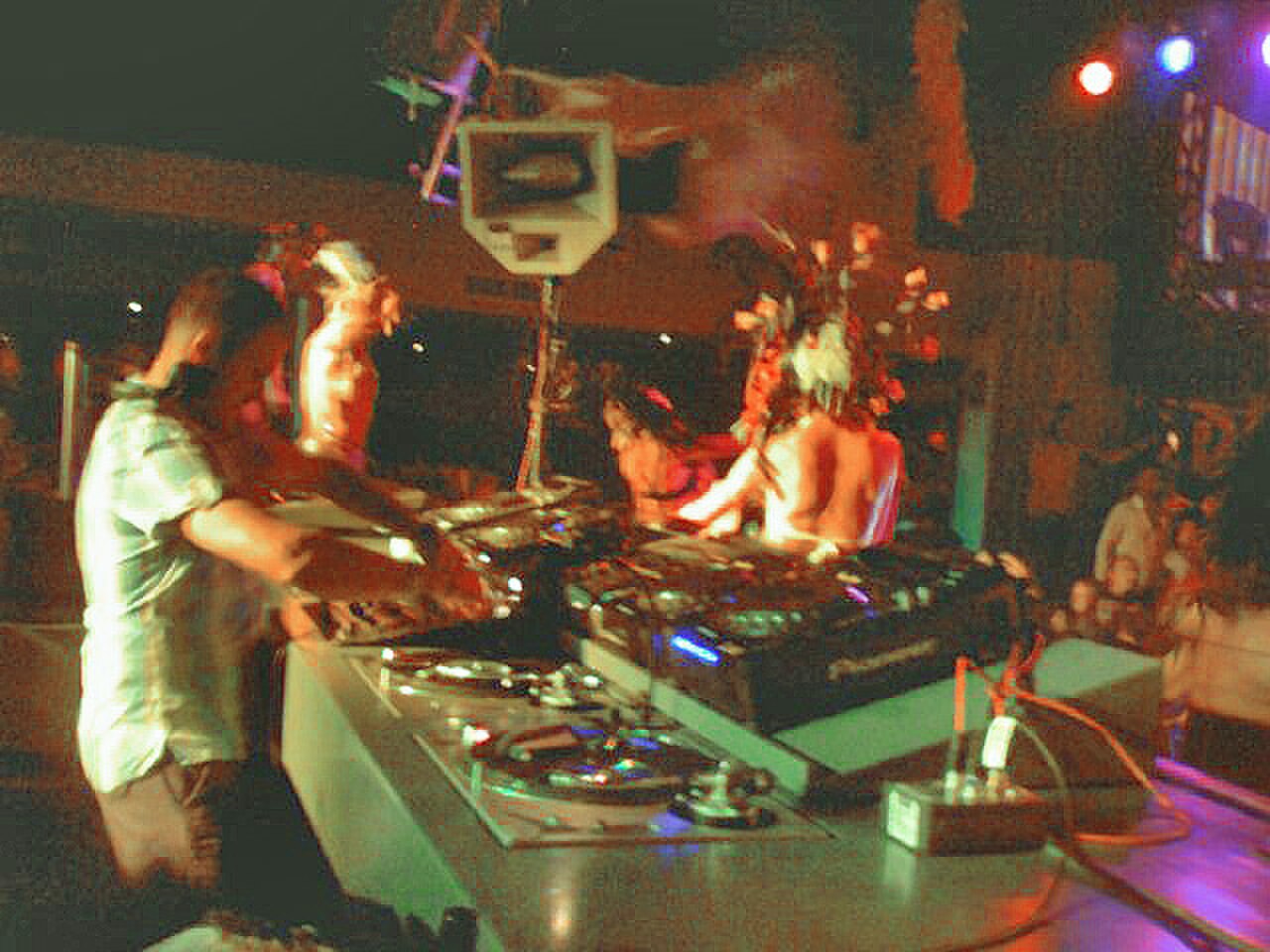
Wages have not kept pace with what it costs to live near that industry. Average Ibiza rent peaked at roughly 33.7 euros per square meter in July 2024, up 23 percent year over year, putting a small one-bedroom apartment at around 1,500 euros a month against Spain's national minimum wage of 1,381 euros and typical hospitality pay in the 1,800 to 2,900 euro range. Reporting on the island's housing crisis has documented the human side of that math directly: a contortionist and torch juggler who has performed at Cafe del Mar for over a decade has relocated 20 times in 12 years and has slept on balconies between leases, and a nurse who dances at Amnesia on the side says she can't afford the cover charge at the same club she performs in. An Italian drag performer based in the La Virgen district has said the neighborhood's once-thriving artist community has shrunk from roughly 200 people to essentially herself. Ibiza's own housing authorities have counted around 800 people living in informal settlements on the island.
Pressure has reached the clubs directly, too. DC-10, one of the island's most respected underground venues, was forced to close its garden stage in July over noise restrictions. Environmental group IbizaPreservation has pointed to a single 3,000-capacity club producing an estimated 400,000 single-use bottles a year, while the island's official bathing water rated "excellent" has fallen by roughly half since 2010. Not everyone in a position of authority accepts tourism as the sole cause. Consell d'Eivissa president Vicent Marí has argued publicly that population growth plays a role too, pointing to a new cruise-arrival reorganization and a 13 percent cut in summer vehicle traffic as evidence the island is already responding.
What Comes Next
The Ibiza Youth Association's next action, the September 20 march against the airport expansion, will be the clearer test of whether the beach protest reflects a moment or a movement. For an island whose global reputation and local economy both run almost entirely on nightlife, from DJ residencies at rooms like Amnesia's Pyramid party to the club circuit generating nine figures a year, the argument being made on the beach is not that the music should stop. It's that the people making it possible, the dancers, bartenders, promoters and performers who actually live there, should be able to afford to stay for it.
RTS.FM has streamed underground house and techno from studios worldwide since 2006. Tune into the live broadcast while you read.
FAQ
What happened in Ibiza on September 6, 2026?
More than 100 young residents gathered at Cala Saladeta beach for a protest organized by the Ibiza Youth Association, structured as a traditional watermelon-sharing picnic and closing with a manifesto against the island's tourism-dependent economy.
Who organized the Ibiza protest?
The Associació de Joves d'Eivissa, known in English as the Ibiza Youth Association, a non-partisan youth group publicly introduced in January 2026 that also campaigns on housing, education and Catalan cultural identity.
What do Ibiza residents want changed?
An April 2026 survey found 75.6 percent of Balearic residents believe the islands already receive too many tourists, 80.5 percent want fewer short-term holiday rentals, and 68.4 percent support restricting tourist-oriented business licenses.
How much money does Ibiza's nightclub industry generate?
Ibiza's clubs generated an estimated 160 million euros in ticketing revenue in 2025, according to MIDiA Research figures presented at the International Music Summit, even as the number of events held per venue declined.
Is this part of a larger trend in Spain?
Yes. Ibiza's protest follows a wave of anti-tourism demonstrations across Spain since 2024, including large protests in the Canary Islands, Mallorca and Barcelona, which have already led to new rental restrictions and tourist taxes in several cities.
quick wins
- Over 100 young residents protested at Cala Saladeta beach in Ibiza on September 6, 2026, organized by the newly formed Ibiza Youth Association.
- The protest argued that the island's tourism and nightlife economy, worth an estimated 160 million euros in club ticketing alone in 2025, leaves little room for the young locals who staff it.
- An April 2026 survey found a majority of Balearic residents across the political spectrum now support capping tourist numbers and restricting short-term rentals.
- Average Ibiza rent has outpaced typical hospitality and nightlife wages, with reported cases of club performers and workers living in informal settlements or moving repeatedly between leases.
- The same group has called a second protest for September 20 against Ibiza airport's expansion plans.