Torzym, Poland · 29 JUL 2027 - 02 AUG 2027
Garbicz Festival
A five-day, artist-built festival on a lake in rural western Poland, run since 2013 on a deliberately anti-commercial, community-organized model.
History
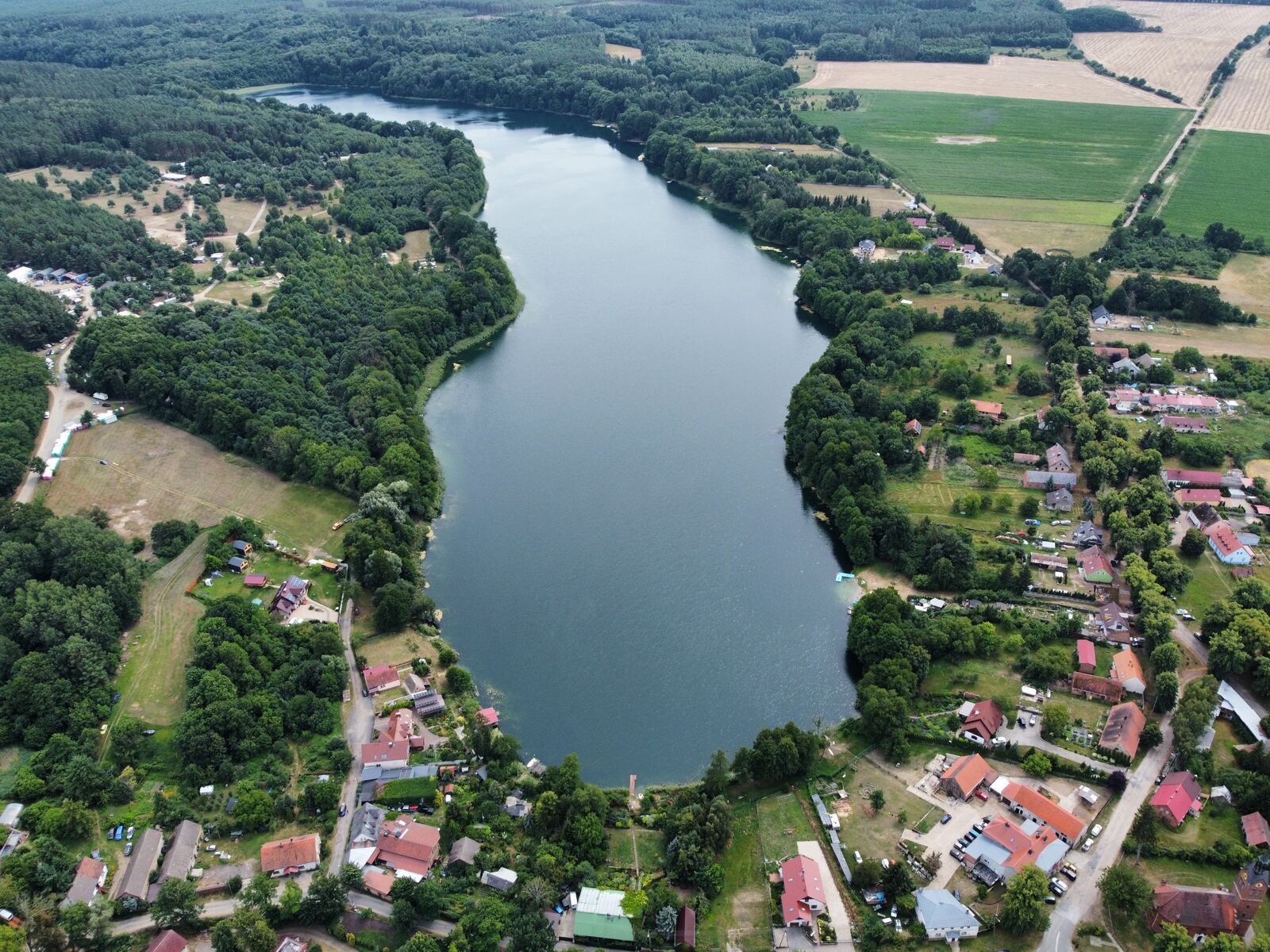
Garbicz Festival grew out of the ashes of Bar25, the improvised club that ran on the banks of Berlin's Spree river from 2003 until developers forced it to close in 2010. A group from that scene, organized as the Bachstelzen Collective alongside the Holzmarkt 25 Cooperative (the team behind Bar25's spiritual successor, Kater Blau), spent the following winter of 2012 scouting a new kind of site, not a club, but somewhere with enough space and distance to build a different kind of gathering. They found it on the shore of Lake Wielicko, next to the small village of Garbicz in Poland's Lubusz Voivodeship, just across the German border and, by the festival's own estimate, just under two hours from Berlin.
The first edition ran in the summer of 2013, drawing a few hundred people to a lakeside site with no template to follow. It has grown steadily since into an international gathering, reportedly pulling in the range of eight to ten thousand visitors from across Europe each year, without ever losing the founders' original instinct for scale over spectacle. The festival now runs across five days and multiple stages built directly into the forest and along the water, including a floating dancefloor known as Moos Floos and a dedicated ambient area called Lichtung set aside for slower, more exploratory programming alongside the techno and house on the main floors.
What sets Garbicz apart from most festivals of its size is how deliberately it has stayed anti-commercial. There is no brand sponsorship in the booking, and the festival's head of production, Fritz "Windisch" Dyckerhoff, has described a flat pay structure where, in his words, all headliners get the same money and all residents get the same money, a rejection of the tiered fee system that shapes most festival lineups. Ticket revenue is reinvested directly into the site and the following year's production rather than extracted as profit, consistent with the same non-commercial ethos that Bar25 and Kater Blau were built on in Berlin.
That independence was tested directly in 2019, when the mayor of Torzym, the municipality that includes Garbicz, refused to renew the festival's permit days before it was due to start, after six consecutive years of approval. The stated reason was the site's location inside a Natura 2000 protected nature reserve, though reporting at the time also pointed to friction over local politics between organizers and the mayor's office. The decision was overturned on appeal by the regional government of Gorzów Wielkopolski just two days before the gates were due to open, and the festival went ahead as planned. It was a reminder that Garbicz's setting, part of what makes it distinctive, also makes it structurally precarious in a way that has become common across Europe's festival landscape in recent years, where permitting and local politics increasingly decide whether an outdoor event happens at all, not just how it sounds.
Today Garbicz sits alongside a small group of European festivals, CTM and Time Warp among them on this site's own list, that built a reputation on musical identity and site-specific atmosphere rather than headliner arms races. Its lineups lean into techno, house and more experimental, ambient-leaning programming, and its audience skews toward people who have been coming back for years rather than first-timers chasing a single act. The 2026 edition ran from 30 July to 3 August and its listed bill included Kalabrese on 2 August, on a bill that also listed Cassy, Kevin Saunderson and Roman Flügel. The 2027 edition is set for 29 July to 2 August, with tickets sold through the festival's Infield ticket shop, and as of 10 October 2026 no 2027 lineup has been published.
festival facts
- Founded: 2013 (organizers first scouted the site in the winter of 2012)
- Founders/Organizers: Berlin's Bachstelzen Collective and the Holzmarkt 25 Cooperative, the crew behind Bar25 and Kater Blau
- Venue: Lake Wielicko (Jezioro Wielicko), inside the Rynna Jezior Torzymskich Natura 2000 nature reserve near the village of Garbicz (Garbicz 32F, 66-235 Torzym), western Poland
- Format: five days across multiple stages built into the forest and lakeshore, including the floating Moos Floos dancefloor and the ambient-focused Lichtung area
Getting there and practical info
Garbicz is a single-site festival, so there is no city venue to hop between: everything happens on and around the lake at the village of Garbicz, in Torzym municipality, western Poland. The notes below come from the festival's own FAQ, so check garbiczfestival.com for any changes to the 2027 arrangements.
- Address: Garbicz 32F, 66-235 Torzym, Poland. The festival says the site is just under two hours from Berlin.
- Bus from Berlin: The festival calls the Bassliner bus from Berlin Ostbahnhof "really the best way" to come. Bassliner details are announced closer to the date and are sold as an extra.
- Train: The nearest train station is Rzepin, where taxis are usually available. The festival puts the taxi ride at about 20 minutes.
- By car: The festival asks people to drive only if they really must. Every car needs a pre-booked parking pass and wild parking is not possible.
- Camping and accommodation: Every festival ticket includes sleeping in your own tent. Tentation, the festival's pre-pitched tent option (bell tents and ridge tents), is a separate product that does not include entry, and camper vans need their own dedicated ticket.
- Age policy: Garbicz is an adult-only event. Nobody under 18 is allowed on any festival premises, including the offsite camping areas, and ID is checked at the entrance.
- Dogs: No animals are allowed, including at the offsite camping areas.
- Tickets: Sold through the Infield ticket shop linked from the official site. The festival says recent editions sold out, and for resale it recommends only TicketSwap.
FAQ
How do you get to Garbicz Festival?
The site sits in Torzym municipality in western Poland, just under two hours from Berlin according to the festival. The easiest route is the Bassliner bus from Berlin Ostbahnhof, or you can take a train to Rzepin and a taxi of about 20 minutes.
What's the festival's approach to booking and pay?
Organizers have described a flat fee structure where headliners and resident DJs are paid the same rate, and the festival runs without brand sponsorship, reinvesting ticket revenue into the site rather than treating it as a profit center.
Has Garbicz Festival ever been cancelled or at risk of cancellation?
Yes. In 2019, the mayor of Torzym denied the festival's permit days before it was scheduled to start, citing the site's protected Natura 2000 status after six years of prior approval. A regional appeals court overturned the decision two days before the festival opened, and it went ahead as planned.
When is the next Garbicz Festival?
The 2027 edition runs from 29 July to 2 August, according to the festival's website. Gates open at 10:00 on the first day and the festival closes at 22:00 on the last.
Can you camp at Garbicz?
Yes. All Garbicz tickets include sleeping in your own tent. If you would rather not bring one, the festival sells pre-pitched Tentation tents separately, and camper vans need a dedicated ticket.
What is the age limit at Garbicz?
Garbicz is adults only. Nobody under 18 is allowed on any festival premises, including offsite camping, and ID is checked at the entrance.
Can you bring a dog to Garbicz?
No. The festival bans all animals from the grounds and the offsite camping areas.
Which artists from RTS.FM have played Garbicz?
Kalabrese is listed on the 2026 bill, which ran from 30 July to 3 August. The festival has not published a 2027 lineup yet.
RTS.FM artists connected to this festival
Only sourced appearances at past editions or on announced lineups are listed.
More: 2027 festival calendar