DJ & Producer · Ghent, Belgium
Charlotte de Witte
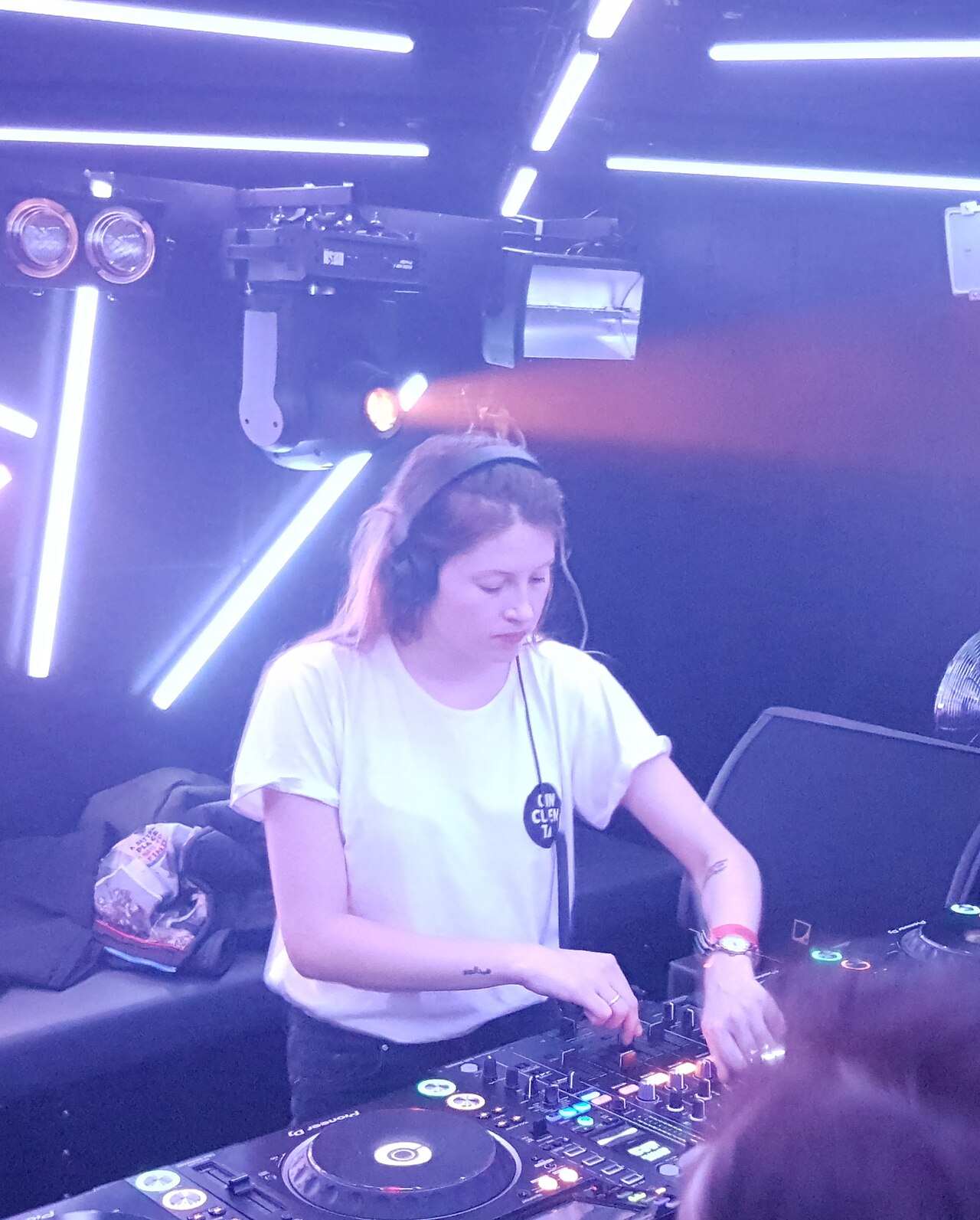
Charlotte de Witte went from Ghent's underground clubs and the Raving George alias to become techno's most consistently ranked headliner worldwide.
quick facts
- Real name
- Charlotte Aloïs de Witte
- Also known as
- Raving George, Charly
- Born
- 21 July 1992
- Birthplace
- Ghent, Belgium
- Nationality
- Belgian
- Active since
- 2010
- Labels
- KNTXT, Époque
- Genres
- Techno, Acid Techno, Minimal Techno
Sources: en.wikipedia.org, de.wikipedia.org
Few names in techno have become as synonymous with a specific sound as Charlotte de Witte's. Since dropping the alias she built her early reputation under, the Ghent-born DJ and producer has turned "dark and stripped-back" acid and minimal techno into a globally exported style, and DJ Mag's annual poll now treats her as a fixture of its upper reaches rather than a rising name to watch.
Early Life and Path Into Music
Charlotte Aloïs de Witte was born on July 21, 1992, in Ghent, Belgium, according to her Wikipedia entry. She began exploring Ghent's underground club scene around 2009 and started DJing the following year, initially drawn to electro rather than the techno she is now known for. Her breakthrough came via the alias Raving George, which she adopted, by her own account, to sidestep the preconceptions that come with being a young woman behind the decks. Performing as Raving George, she won the Studio Brussel and Tomorrowland DJ contests in 2011, a result that put her on the Tomorrowland Main Stage the day after her nineteenth birthday and gave her an early foothold on one of the industry's biggest platforms.
The Raving George project kept building through the early 2010s, releasing a debut EP in 2013 and scoring a genuine radio hit in 2015 with "You're Mine," featuring Oscar and the Wolf. But by then de Witte was already pulling toward a harder, more stripped-down sound, a shift she has credited to watching German DJ Len Faki play a set that reoriented her sense of what techno could do. In 2015 she retired the Raving George name for good and began releasing and performing as herself, a decision that lines up almost exactly with the pivot in her production from electro house toward the acid-inflected techno that now defines her.
Sound and Style
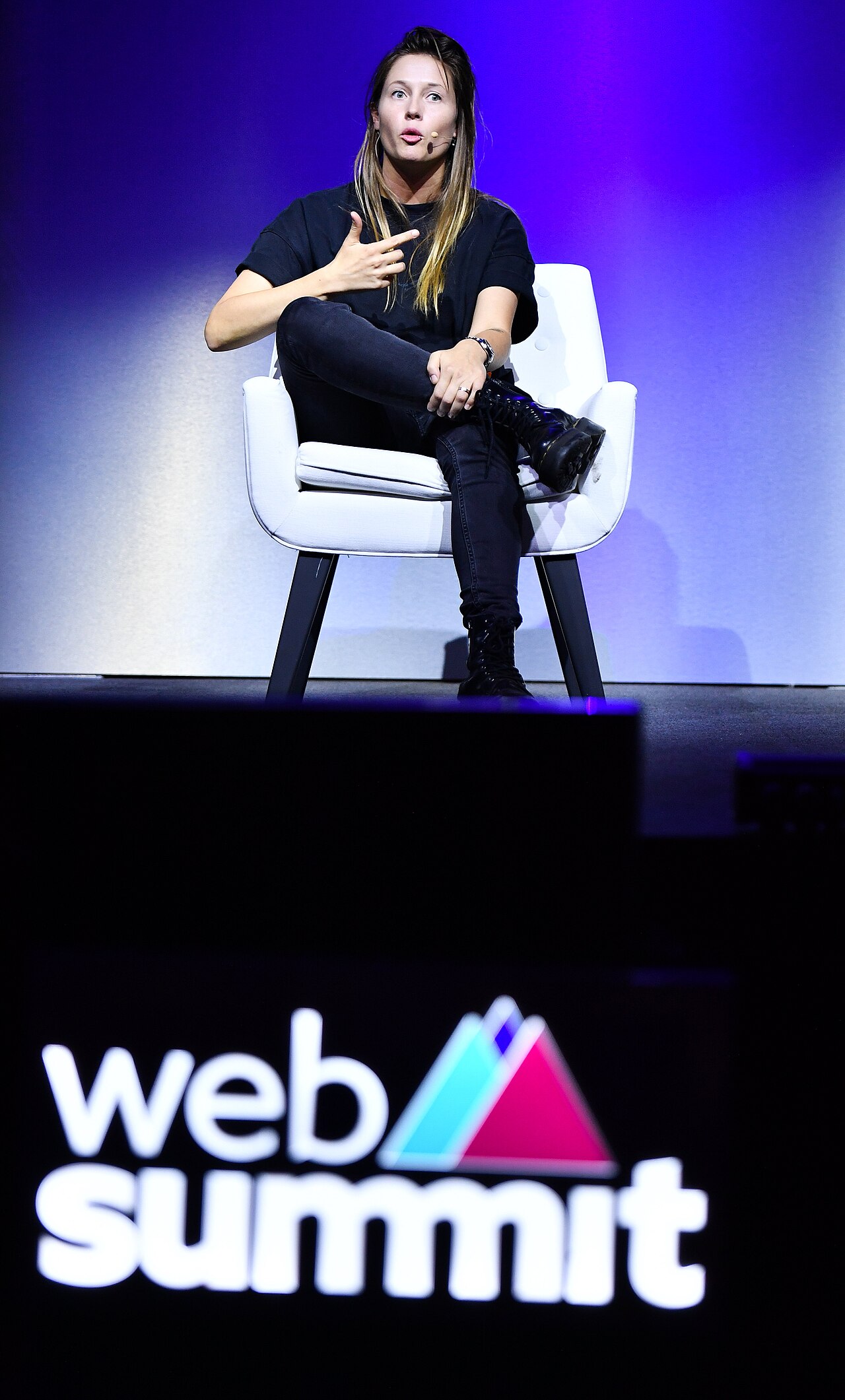
De Witte's records and sets sit at the harder, more minimal end of techno: rolling acid lines, tightly programmed drums, and long, hypnotic builds rather than obvious peak-time drops. It is a sound built for extended sets and warehouse-scale systems, which is part of why she has become such a reliable draw at rooms like Printworks in London and Awakenings in the Netherlands. Her rise has coincided with, and in some ways helped drive, techno's broader hard and fast turn over the past few years, even though her own productions lean closer to acid and trance-inflected techno than to the 180-plus BPM hardtekk sound that piece traces through the US market. She released her self-titled debut full-length album in 2025, a rare format choice for an artist whose reputation was built almost entirely on club sets and singles.
KNTXT and the Label Story
KNTXT began life in 2015 as a club night de Witte launched at Fuse in Brussels, long before it became a formal record label. She turned it into an imprint in September 2019, and it has since released music from artists including Chris Liebing, Monoloc, and Alignment, well beyond her own catalog, while KNTXT-branded events have taken over stages at Awakenings and Tomorrowland and staged multiple sold-out takeovers of Printworks' Press Halls in London. That venue's own comeback, confirmed for 2026 after Southwark Council approved a redevelopment plan that keeps the Press Halls running as a working music space, reopens one of the rooms most closely associated with KNTXT's UK footprint. In January 2024 de Witte added a second label, Époque, built specifically as a platform for remixes of iconic Belgian tracks.
Career Highlights
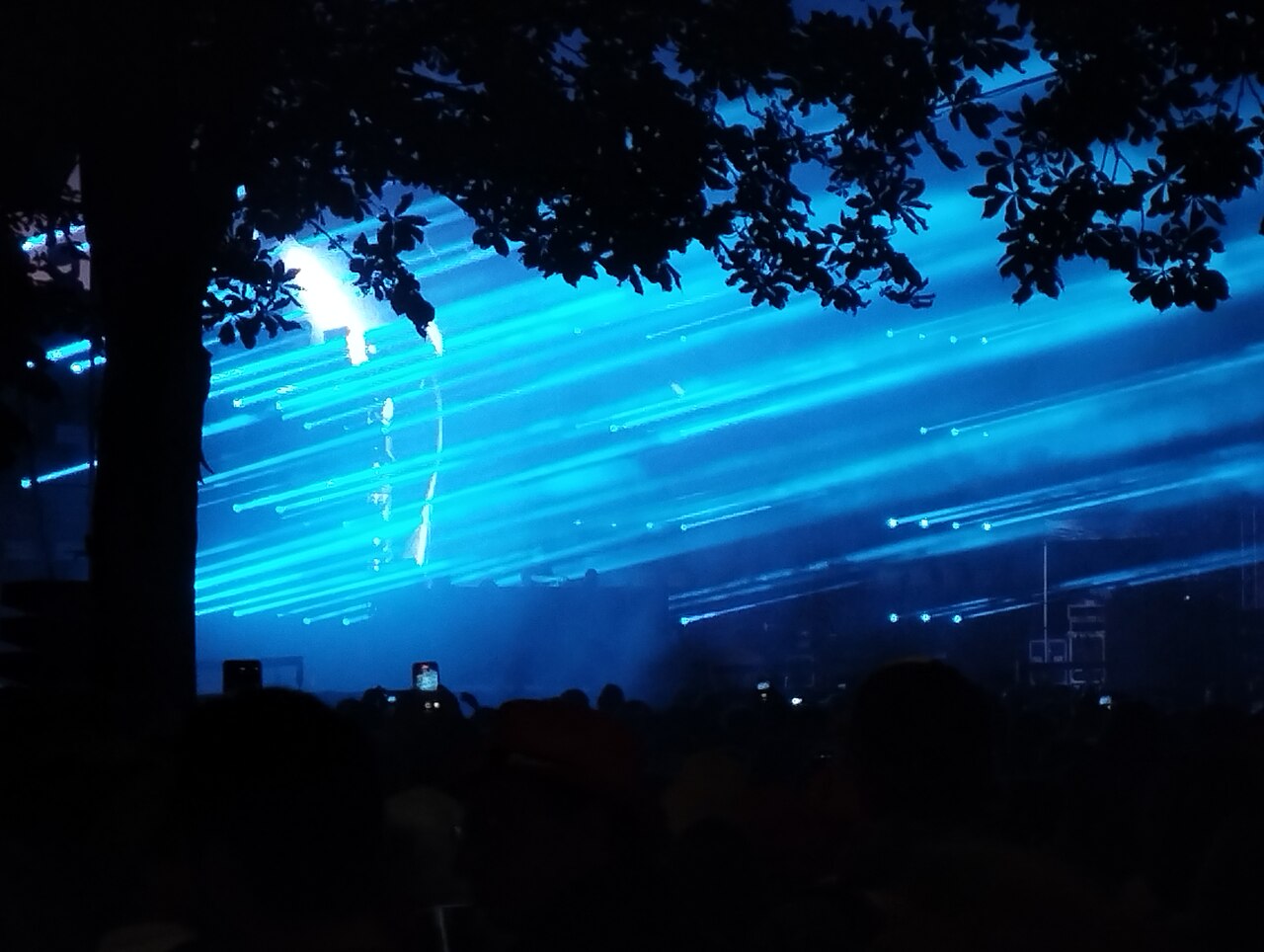
De Witte's DJ Mag Top 100 trajectory reads as a steady, near-uninterrupted climb: she debuted at 74 in 2019, then moved to 32, 23, 14, 18, and 16 across the following years before reaching 9th place in the 2025 poll, her first time inside the overall top ten, and climbing to No. 6 in the 2026 poll announced on 6 October 2026, according to DJ Mag. Within the magazine's genre-specific rankings she has been named the World's No. 1 Techno DJ multiple years running, and she picked up the International Dance Music Awards' Best Techno Artist (Female) title in both 2019 and 2020. In 2022 she became the first female techno artist to close Tomorrowland's Main Stage, and by July 2025 she went further still, becoming the first artist ever to both open and close the Main Stage on the same day, playing a daybreak set at noon before returning for the closing headline slot that night.
Her studio output includes a widely certified collaboration with Enrico Sangiuliano, a remix of "The Age of Love" that topped Beatport's techno bestseller chart in 2021 and went gold the following year on sales past 500,000 units. More recently, in February 2025, she released "One Mind," her first-ever joint EP with fellow Belgian Amelie Lens, alongside a run of sold-out back-to-back shows at Flanders Expo in their shared hometown of Ghent that drew a combined 69,000 fans, a project both artists have framed as a direct answer to years of media coverage that pitted them against each other as rivals.
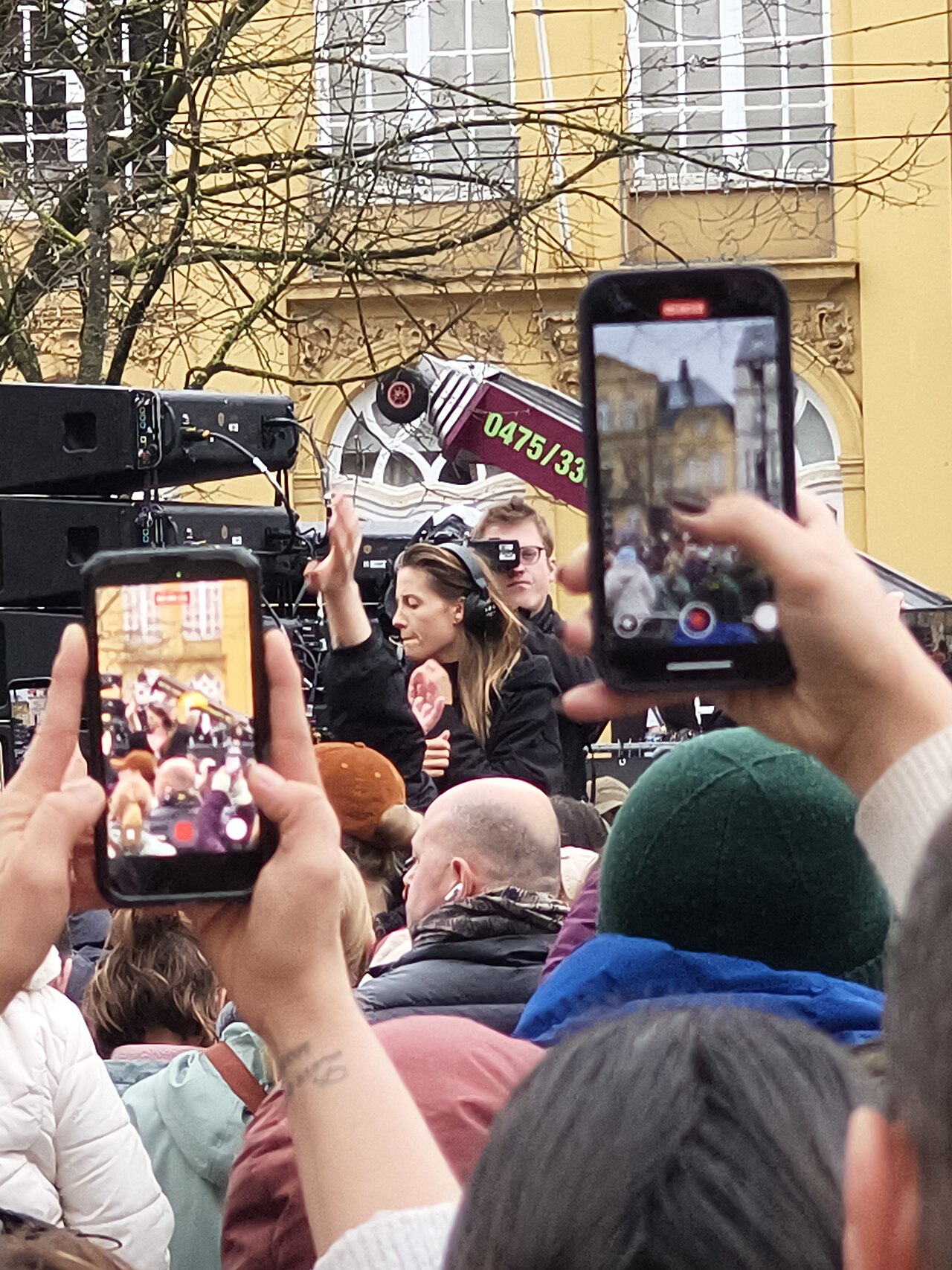
That approach, building momentum around a small number of large, tightly curated dates rather than a nonstop touring calendar, echoes a strategy other top-tier techno names have leaned into recently. Nina Kraviz spent her 2026 summer anchored to a single Sunday residency at Amnesia Ibiza's Pyramid party rather than treating the island as one stop among fifty, and her wider 2026, covered in RTS.FM's recap of her label activity, Ibiza residency, and world tour, points to the same pattern showing up across the genre's best-known women: fewer, bigger, more deliberately staged moments rather than a packed weekly circuit.
FAQ
Who is Charlotte de Witte?
Charlotte de Witte is a Belgian DJ and producer from Ghent, born in 1992, known for dark, stripped-back acid and minimal techno. She founded the labels KNTXT and Époque and has topped DJ Mag's Techno Top 100 poll multiple times.
What was Charlotte de Witte's stage name before she used her real name?
She performed as Raving George from around 2010 until 2015, an alias she adopted early in her career partly to avoid the preconceptions that come with being a young female DJ. She dropped it in 2015 as her sound shifted from electro toward techno.
What labels does Charlotte de Witte run?
She founded KNTXT, which began as a Brussels club night at Fuse in 2015 before becoming a full record label in September 2019, and Époque, launched in January 2024 as an outlet for remixes of well-known Belgian tracks.
How has Charlotte de Witte ranked on DJ Mag's Top 100 DJs poll?
She debuted at number 74 in 2019 and has climbed almost every year since, reaching number 9 in 2025, her first time inside the poll's overall top ten, and number 6 in the poll announced on 6 October 2026. She has separately been named the World's No. 1 Techno DJ in DJ Mag's genre rankings multiple times.
Did Charlotte de Witte headline Tomorrowland?
Yes. She won the Tomorrowland DJ contest in 2011 as Raving George, later hosted her own stage at the festival, and in 2022 became the first female techno artist to close its Main Stage. In July 2025 she became the first artist ever to open and close the Main Stage on the same day.
How old is Charlotte de Witte?
Charlotte de Witte was born on July 21, 1992, in Ghent, Belgium, which makes her 34 (age 34 as of October 2026).
Where is Charlotte de Witte from?
Charlotte de Witte is Belgian. She was born in Ghent, where she began exploring the city's underground club scene around 2009.
What genre does Charlotte de Witte play?
Charlotte de Witte plays techno, best known for a dark, stripped-back blend of acid techno and minimal techno.
What is Charlotte de Witte's real name?
Her full name is Charlotte Aloïs de Witte. Early in her career she performed under the alias Raving George, which she dropped in 2015.
festivals
- Time WarpMannheim, 03 APR 2027→
- Sonar BarcelonaBarcelona, 17-19 JUN 2027→
- Sea You FestivalFreiburg, 16-18 JUL 2027→
- Kappa FuturFestivalTurin, 2-4 JUL 2027→
- Awakenings FestivalHilvarenbeek, 9-11 JUL 2027→
- MovementDetroit, 29-31 MAY 2027→
- Nature OneKastellaun, 29 JUL 2027 - 01 AUG 2027→
Past appearances and announced lineups only, each checked against the festival's own records.