13 OCT 2026 · rts.fm editorial
The 10 Best Ambient Albums of 2026 So Far
Barwick and Lattimore's Tragic Magic tops our ranking of the ten best ambient and ambient-adjacent albums of 2026 so far, plus five honourable mentions.
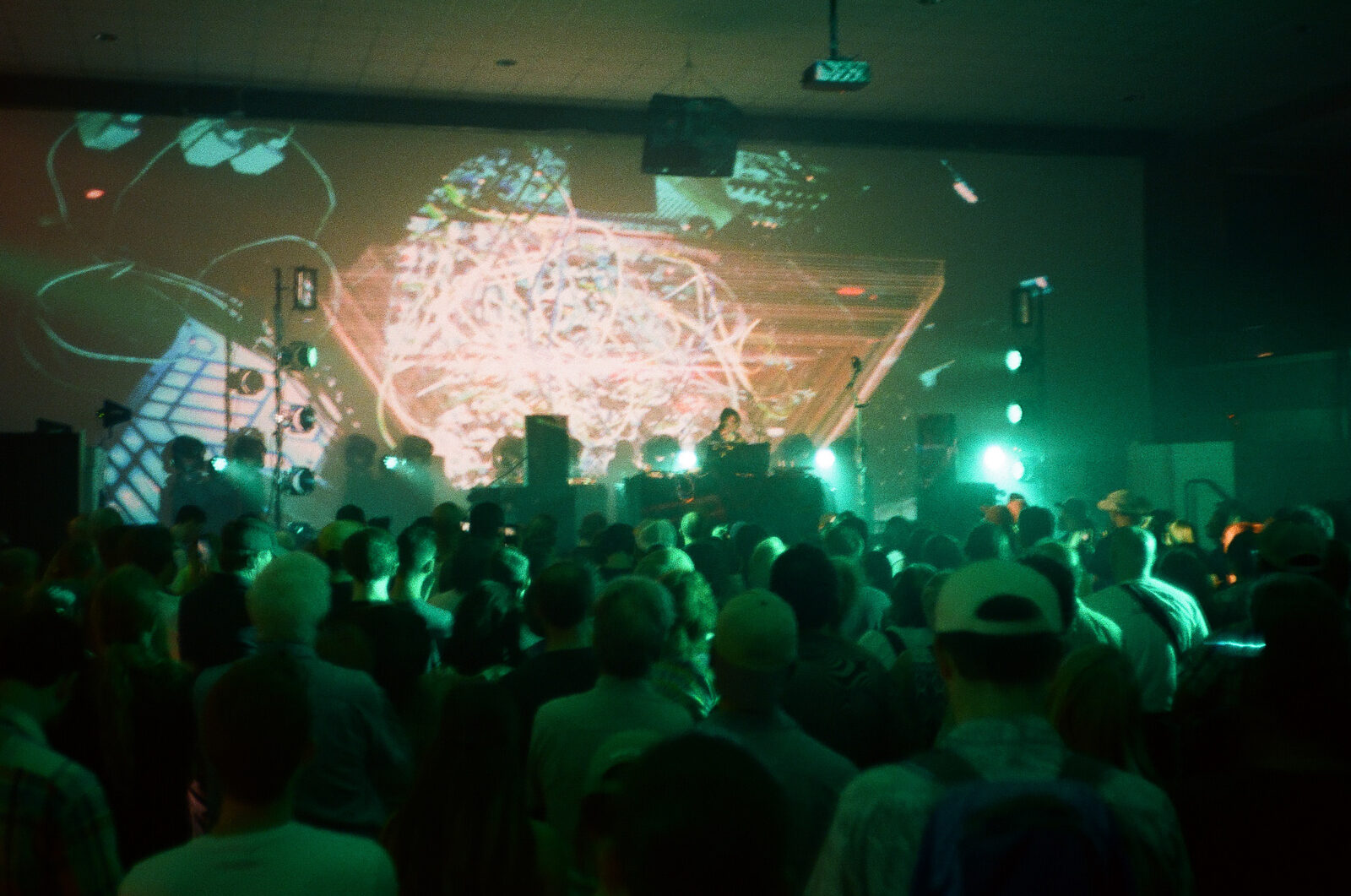
The best ambient album of 2026 so far is Julianna Barwick and Mary Lattimore's Tragic Magic (InFiné, 16 January 2026). We looked at roughly 180 candidates released between 1 January and 13 October 2026 and ranked ten records that are ambient or ambient-adjacent, with five honourable mentions. The "adjacent" matters: six of the ten sit on a border of some kind (ambient dub, IDM, songwriting, contemporary classical, sound design), and we label each one as we go.
| Rank | Album | Artist | Label | Released | Ambient fit |
|---|---|---|---|---|---|
| 1 | Tragic Magic | Julianna Barwick & Mary Lattimore | InFiné | 16 January 2026 | Core, with a new age and neoclassical lean |
| 2 | Kin | KMRU | Editions Mego | 13 February 2026 | Core, but loud and abrasive in places |
| 3 | Sol.Hz | Seefeel | Warp | 1 May 2026 | Borderline: ambient dub |
| 4 | Inferno | Boards of Canada | Warp | 29 May 2026 | Borderline: ambient-adjacent IDM |
| 5 | Poem 1 | Ana Roxanne | kranky | 1 May 2026 | Partial: voice-led ambient songwriting |
| 6 | Reflections Vol. 3: Water Poems | Félicia Atkinson & Christina Vantzou | RVNG Intl. | 10 April 2026 | Core, with voice and spoken word |
| 7 | The Will of Tongues | Sarah Davachi | Late Music | 28 August 2026 | Borderline: drone and contemporary classical |
| 8 | Yarrow | Patricia Wolf | Music To Watch Seeds Grow By | 4 June 2026 | Core, with a long spoken-word closer |
| 9 | Paradessence | Visible Cloaks | RVNG Intl. | 22 May 2026 | Borderline: sound-design electronic |
| 10 | Hinterlands | Green-House | Ghostly International | 20 March 2026 | Borderline: the duo find the ambient tag limiting |
How we chose these albums
We ran three research passes. The first covered major critics, the second covered aggregators and charts, and the third covered ambient specialists: monthly and seasonal columns, niche review sites and label or artist pages. Together they produced roughly 180 candidates. To make the shortlist, a record needed at least three independent sources that we could open and read in full, not search-result snippets. Release dates are the digital or label dates, because several records reached vinyl and CD later.
Ambient fit was judged on the record itself, using credits, track lengths, what critics describe and how the artists and labels describe their own work, rather than on the artist's reputation. Where a record is borderline, we say so in the table and again in its section. The final order is our editorial judgement. It weighs the breadth and warmth of the critical response, how cleanly the record sits in the genre, and how distinctive it is. Neighbouring places are close calls, and we would not defend the gap between, say, number five and number six as anything more than a judgement.
There are limits you should know about. Pitchfork's review pages were readable, so we use its scores, but only where we confirmed them on the review page itself: Tragic Magic 7.4, Sol.Hz 8.1, Inferno 8.6, Poem 1 8.6 (flagged Best New Music) and Paradessence 7.9. Pitchfork also reviewed Kin; we give no number for it. Metacritic, Album of the Year, Rate Your Music, Reddit and Bandcamp sales charts could not be read by our tools, so there are no Metascores or user ratings anywhere in this article. Scores that only appear in Wikipedia's critic tables are left out too. The consensus we describe therefore leans on Bandcamp Daily's monthly ambient column, Treble's seasonal ambient lists (which are unranked, so we ignore their order), The Quietus, Pitchfork and a group of specialist sites.
One more thing, stated plainly: this is not a listening diary. Our commentary is analysis of the critical record, credits, label copy and interviews, and where we describe how a record sounds we are paraphrasing critics and say whose view it is. Where sources disagree on a runtime or a detail, we say that as well.
1. Julianna Barwick & Mary Lattimore, Tragic Magic
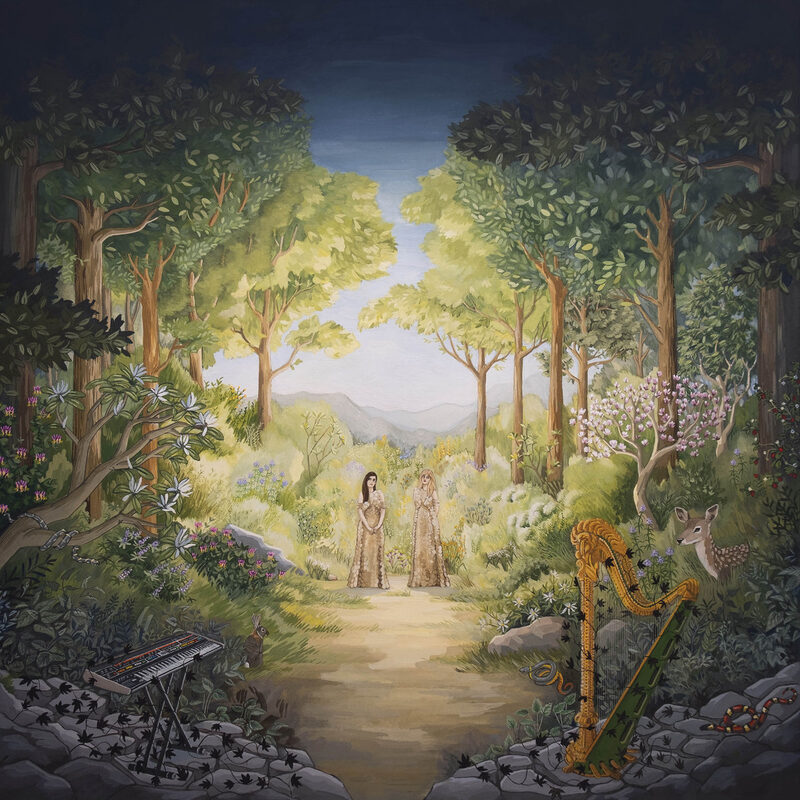
Label: InFiné | Released: 16 January 2026 (digital date, physical editions came later) | Length: about 42 and a half minutes, seven tracks | Formats: digital, CD, vinyl LP, limited-edition vinyl
Tragic Magic is a record of harp, vintage synthesizers and looped voice, almost entirely beatless. It was commissioned as the third release in a series that the Paris label InFiné and the Philharmonie de Paris have run since 2017, after Arandel's InBach (2020) and Seb Martel's Saturn 63 (2022), according to InFiné's artist page. InFiné is not a new age imprint: its own site lists Carl Craig, Rone, Nathan Fake, Murcof and KMRU, who is number two on this list.
The making of it is unusually well documented. The duo recorded for nine days in January 2025, soon after the Los Angeles wildfires, in basement rooms at the Philharmonie, with Trevor Spencer co-producing, as the Tonearm podcast transcript and Pitchfork both describe. Lattimore chose harps from 1728 to 1873 from the Musée de la Musique's collection, while Barwick played a Roland Jupiter and a Sequential Circuits Prophet-5, per the Bandcamp credits, with a vocoder also in the mix according to Tonearm. Roger Eno wrote Temple of the Winds for them and they cut it in one take on the 1728 harp. Rachel's Song is a cover of Vangelis's piece from Blade Runner, and the rain in it was sent by a friend in Los Angeles who recorded the first rainfall after the fires. In a Talkhouse conversation, Barwick says the old instruments made her approach more reverent and that she set aside her usual solo looping habits.
Critics were warm and rarely unanimous about the details. Mark Richardson's 7.4 at Pitchfork finds the opener lovely but a touch too sweet, then says the record becomes more involving as the pair find a third voice together, singling out the kosmische turn of Stardust ("I wish it went on for another 10") and the song-like finale Melted Moon. The Guardian made it experimental album of the month and heard a grander, more cinematic record than either artist's solo work. The Skinny praised the chemistry of Haze with no Haze but thought The Four Sleeping Princesses never develops past an idea, and Exclaim! found it a balm for travelling or night walks while hearing a rut in Rachel's Song and Stardust. Sputnikmusic admits it can feel a little samey; Beats Per Minute frames it as a refuge made after the fires.
Ambient fit: genuine. Bandcamp tags it ambient, Wikipedia lists ambient, and The Guardian calls it new age and ambient; only Stardust brings in a drum kick. It is not the highest-scoring record here (its Pitchfork 7.4 is below Inferno and Poem 1), but it was the least contested ambient record we found, with positive coverage from mainstream and specialist outlets alike. That, plus a clear story and a sound that fits the word, is why it is first.
2. KMRU, Kin
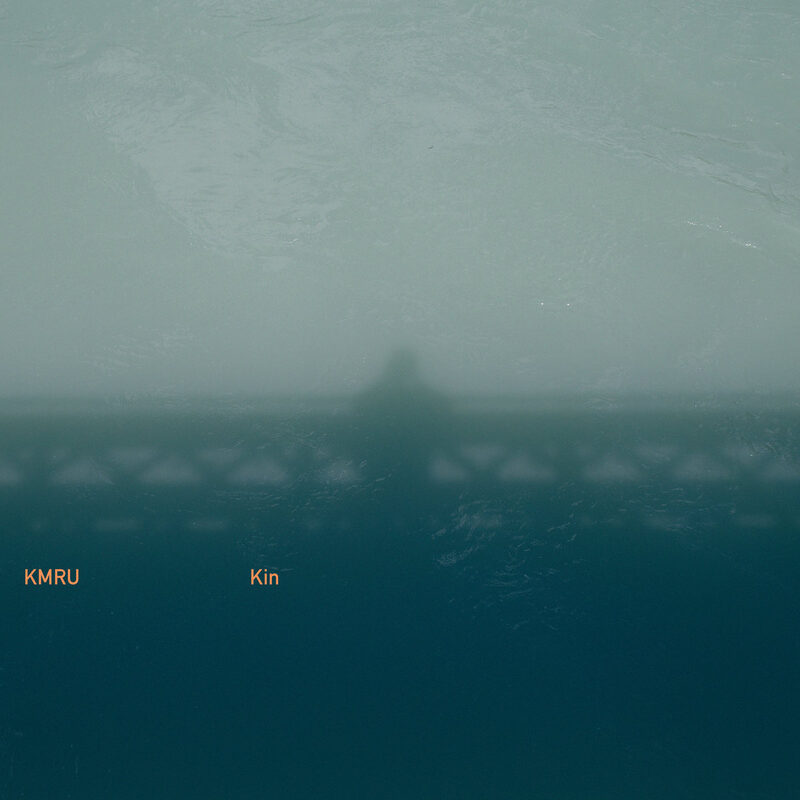
Label: Editions Mego | Released: 13 February 2026 | Length: about 56 minutes across six tracks, plus a vinyl-only bonus track | Formats: digital, 2xLP gatefold (edition of 700), CD (edition of 500)
Kin is dedicated "For Pita": Peter Rehberg, who founded Mego in 1994, revived Editions Mego in 2006 and recorded as Pita, died in Berlin on 22 July 2021, according to Wikipedia. The label's copy on KMRU's Bandcamp page says the record started in early 2021 in Nairobi, out of conversations with Rehberg about what a follow-up to KMRU's 2020 album Peel might sound like. KMRU says Kin is not that record. He paused for a year after Rehberg's death and returned to the material through 2022.
KMRU is Joseph Kamaru, born in Nairobi and based in Berlin since October 2020. Per the credits, he wrote, produced and mixed everything; the track Blurred is co-written with Christian Fennesz, a friendship that grew out of the pair touring the United States together in 2022. Fennesz also worked with Rehberg in the trio Fenn O'Berg, which gives the collaboration a second layer. Stephan Mathieu mastered it, and the vinyl was cut in Berlin. The label describes a noisier palette than Peel, with distortion that recalls KMRU's youth playing guitar, and says it should be "played slow and LOUD". How the sounds were made is less clear: Pitchfork's Philip Sherburne says it is impossible to know for certain, noting only that KMRU has spoken of running Nairobi and Berlin field recordings through digital processing, while First Floor hears the distortion coming from machines rather than a Fender. Both can be true, since Fennesz adds guitar swells on Blurred.
Pitchfork reviewed it and reads it as the real companion to Peel: ambient as a vast matrix of overlapping vibrations, meditative yet galvanising, and far less soothing because of the overdrive. Sherburne calls Maybe the calm outlier among five jagged pieces and one smooth one, and the 20-minute By Absence a symphony of buzz and birdsong. Spectrum Culture hears music from deep underwater and ambient in the truest sense, lonesome as much as soothing. Chain D.L.K. says it demands focused listening rather than background play. It also made Bandcamp Daily's February 2026 ambient column and Treble's winter 2026 list. KMRU and the artist Markus Heckmann also made an audiovisual version of By Absence, published on KMRU's official channel on 14 February 2026 as part of a SHAPE x Crack Magazine takeover.
Ambient fit: genuine, with a caveat. It is slow, drone-based and beatless, and Pitchfork, Spectrum Culture and Bandcamp Daily all frame it as ambient, but it is loud and distorted enough that "abrasive ambient drone" is more accurate than "calming". Our one reservation about the evidence is that the Pitchfork score we could read sits in the page data rather than on the rendered page, so we leave the number out.
3. Seefeel, Sol.Hz
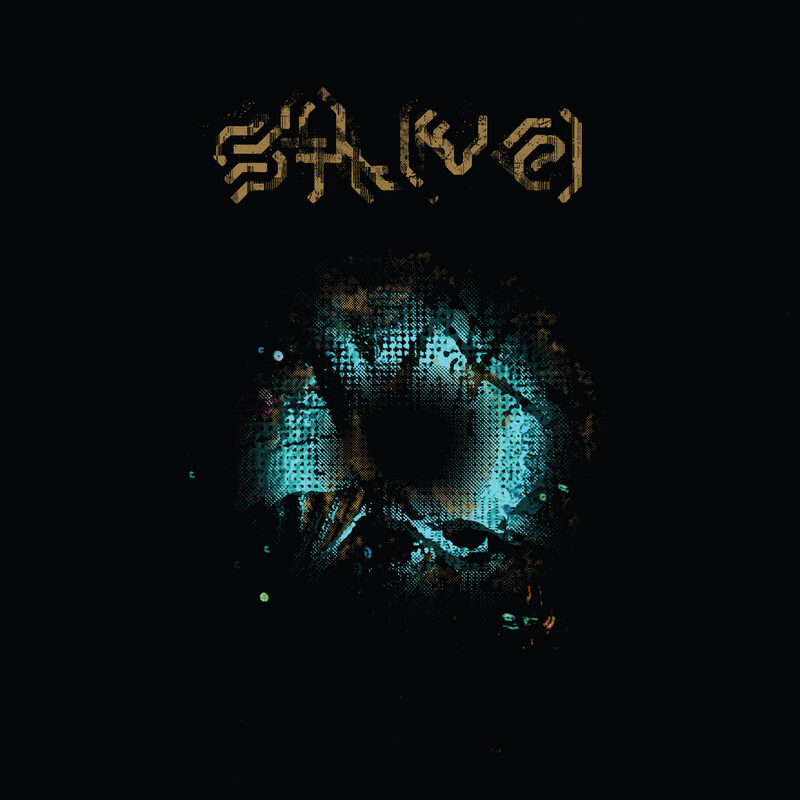
Label: Warp | Released: 1 May 2026 | Length: about 42 minutes, nine tracks | Formats: digital, CD, black vinyl LP, plus clear vinyl and a Bleep bundle
We call this ambient dub, and we want to be candid that it is a borderline pick. It has kick drums and dub bass pulses, and Everydays, Falling First and Until Now are rhythmic. What puts it on the list is Warp's own description, on the band's Bandcamp page, of cloud-like arrangements that are "ambient adjacent at low volume", with the cavernous bass and effects taking over on a proper sound system. Pitchfork's Philip Sherburne gave it 8.1 and called the duo "ambient-dub droneshapers".
Seefeel formed in London in the early 1990s. Quique (1993) came out on Too Pure, Succour (1995) on Warp and (Ch-Vox) (1996) on Rephlex, according to Wikipedia, which also notes they were the first guitar band signed to Warp and that Aphex Twin remixed their track Time to Find Me. Sol.Hz is their first full-length in 15 years, since the 2011 self-titled album, after two mini-albums in 2024. Wikipedia credits Mark Clifford with the music, production, recording and mixing and Sarah Peacock with the vocals, citing the liner notes; we have not seen those notes ourselves. The Ransom Note announcement adds a nice detail for the physical edition: a Bleep-exclusive bundle includes Rapture To Rupt, an hour-long mix of 1994 to 1996 Seefeel material by KMRU, who is number two on this list. The Wire also gave the group its issue 508 cover, as its site shows.
Pitchfork notes that no strummed or plucked guitar is audible, that tone clusters "materialise" out of near silence and that the dub grooves are among the heaviest Seefeel have made in ages, comparing the heft of Everydays to Mad Professor's No Protection. Its one-line verdict is "Gradually, then suddenly." The Quietus praises the silence and the decrescendos, the rumbling bass of Everydays and Until Now and the drumless closer Scrambler, and speculates that the roughly 42-minute length winks at the title. Treble hears an intensely pastoral, minimal record in which technology blurs who is playing what: "music in a plasma state". Igloo Magazine calls it a classic Seefeel return rather than a reinvention. The dissent comes from Everything Is Noise, which loves Falling First but finds too many abrupt endings and half-formed ideas.
Ambient fit: borderline, best filed as ambient dub. Wikipedia lists ambient, ambient techno and dub; Bandcamp tags it electronic. We rank it third because the response was strong across Pitchfork, The Quietus and Treble and because, by the label's own account, it stays within reach of ambient at low volume.
4. Boards of Canada, Inferno
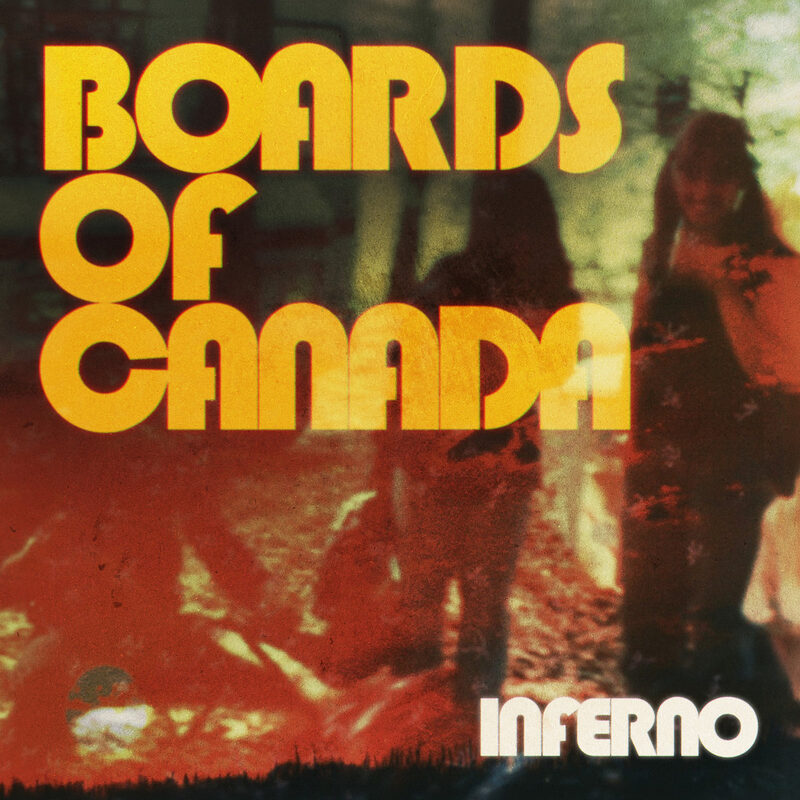
Label: Warp | Released: 29 May 2026 | Length: about 70 minutes, 18 tracks (69:50 by Bandcamp's durations, 70:00 on Wikipedia) | Formats: digital, 2LP gatefold, CD with booklet, cassette, deluxe red 2LP
This is the list's rhythmic wildcard, and it is plainly ambient-adjacent IDM rather than ambient. We include it because it is the record many readers will have in mind, and because Treble put it on its 10 Great Ambient Albums of Summer 2026 list, where it was described as more rhythmic than anything the duo had made before. Critics consistently single out live-sounding drums, guitars and a darker mood, and Pitchfork lists its genre simply as electronic.
Boards of Canada are the Scottish brothers Mike Sandison and Marcus Eoin, who run the Hexagon Sun studio in the Pentland Hills, where the album was recorded, according to Wikipedia's album page. It is their first album in 13 years, after Tomorrow's Harvest (2013). Matt Colton mastered it. The same page lists the heavy use of sampled voices: an altered recording of the Islamic scholar Seyyed Hossein Nasr on Prophecy at 1420 MHz, a televangelist on Age of Capricorn, a Hare Krishna chant on Naraka, an Aleister Crowley text on All Reason Departs and a human heartbeat under I Saw Through Platonia. Resident Advisor corroborates the Crowley text, the chant and the heartbeat. Paste reads the record's engine as time, religion and the origin of the universe, tracing the lead track to the 1420 MHz hydrogen line and the closer to physicist Julian Barbour's ideas about time. The rollout was deliberately opaque: unlabelled VHS tapes mailed to Warp customers in April and no interviews after the announcement. The review dates of 23 May are pre-release; critics heard it in listening sessions and limited streams, and The Guardian's own text says the album came out on Friday 29 May.
Pitchfork gave it 8.6 and called it the most welcoming and gratifying Boards of Canada album since Geogaddi, with sharper lines and a punchier rhythmic feel alternating with gauzy interludes. Resident Advisor hears the duo's darkest and most direct music, with jungle- and industrial-leaning drums replacing vague unease with menace, offset by the lullaby calm of You Retreat in Time and Space. Clash reads it as a seventy-minute odyssey that is physical and warm as well as unsettling. The lone dissenter among the big outlets was The Guardian's Ben Beaumont-Thomas, who found the religious sampling dubious and the beats "wretchedly pedestrian", while rating the beatless tracks such as Age of Capricorn highest. The Skinny called it a dark reaction to sinister times and the duo's most sonically diverse record. According to Wikipedia's chart table, it reached number three on the UK Albums chart and number one on the UK Dance Albums chart, which is a useful reminder of who is actually listening.
Ambient fit: borderline, ambient-adjacent IDM and hauntology. About half the tracks are instrumentals with long, gauzy synth passages, and there is a drumless piece and a heartbeat closer, but the weight of the record is rhythmic. That is the case against it, and also the reason for its place: it is the clearest example of how the border of the genre looked in 2026.
5. Ana Roxanne, Poem 1
Label: kranky | Released: 1 May 2026 | Length: about 38 minutes, nine tracks | Formats: digital, LP, CD
Poem 1 is voice-led ambient songwriting, and we say so plainly: it is a vocal record, not beatless atmosphere. Roxanne (Ana Roxanne Recto) was born in California, raised in Vallejo and studied at Mills College, per Wikipedia. This is her second album for kranky, six years after Because of a Flower (2020). By the account of her TANK interview, she first planned each song as a stanza of one long poem, dropped that structure but kept the title, and wanted her voice in front after years of hiding lyrics in reverb. She wrote it after a breakup, which The Guardian also reports.
Credits need a caution. Bandcamp says all songs were written, arranged and performed by Roxanne, mixed by Baba Stiltz and mastered by Joshua Eustis, and Eustis is the producer behind Telefon Tel Aviv, while Stiltz is a Stockholm-based producer who, as a teenager under the alias Mrs. Qeada, helped popularise the Nordic skweee sound. Reviews also mention violin by Maya Balkaran, so "entirely solo" would be wrong. One Shall Sleep takes its lyrics from a Schumann art song, and Untitled II includes brushed drums, according to Pitchfork.
Pitchfork's Jayson Greene gave it 8.6 and Best New Music, calling it a revelation and a leap in scale: more corporeal at the piano, with the voice finally in full view and a prayerlike yearning. The Guardian hears a ballad-led, pop-leaning heartbreak record with drone and tape traces of her earlier style, though it warns that some songs risk drabness. The Skinny calls it a return to form, more focused than her earlier ambient work. Treble puts her at the front of the mix as a songwriter, "no longer suspended in abstraction", and Bandcamp Daily's May 2026 column opens with it, describing drones that partly mask a pop sensibility.
Ambient fit: partial. Bandcamp tags it ambient and singer-songwriter, and Pitchfork still calls her an ambient musician, but Pitchfork, The Guardian and others stress a deliberate move toward songs. It ranks fifth because the critical response was among the strongest on the list, not because it is the most ambient record here.
6. Félicia Atkinson & Christina Vantzou, Reflections Vol. 3: Water Poems
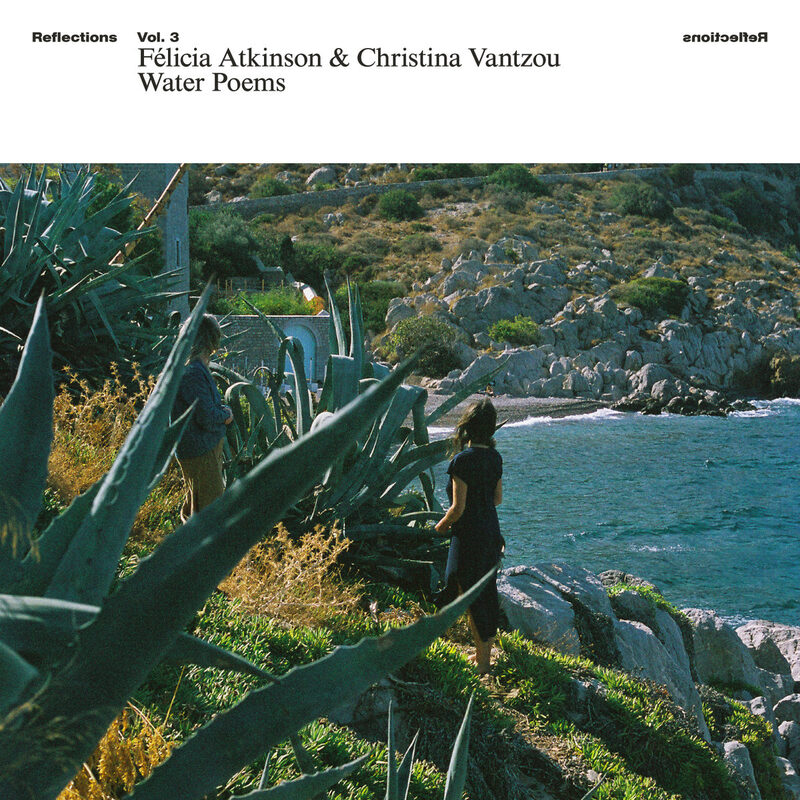
Label: RVNG Intl. | Released: 10 April 2026 | Length: about 36 minutes, eight tracks (35:46 by our sum of the Bandcamp durations) | Formats: digital, LP, limited Glacial Blue LP (300 copies, RVNG exclusive), Japanese CD with four bonus instrumentals
The third volume of RVNG Intl.'s Reflections collaboration series, after Steve Gunn and David Moore's Let the Moon Be a Planet (31 March 2023), is the first full-length by Atkinson and Vantzou. According to Soundohm's press text, the pair met in 2009 and played together intermittently, most notably at the Philharmonie de Paris in 2019, which led to the record. Vantzou has released five orchestral solo albums on kranky, the label behind number five on this list, and was half of The Dead Texan. A portion of the proceeds goes to Arion, a Greek non-profit focused on Mediterranean marine conservation, according to klofmag.
The recording is spread across places. The Bandcamp credits say guitar, voice, Mellotron and piano were captured by Vasilis Korres at the Old Carpet Factory on Hydra in Greece, gong, vibraphone and piano were recorded by the artists at Villa Medici in Rome, and synths on one track were recorded at Atkinson's Studio Les Dunes in Normandy. Vantzou's field recordings come from the archaeological site of Delphi and the hot spring at Eftalou on Lesbos. John Also Bennett plays lap steel and voice on the closer, Scorpio Purple Skies, and Stephan Mathieu, who also mastered Kin, mastered it. The spoken word is in English and French. The sea is the subject, though Treble reads it as a lens on inner life more than a postcard.
Chain D.L.K. gave it four and a half stars and calls it "a shared hallucination with excellent acoustics", an immersive record with no hooks in which voices hover and dissolve. HHV Mag hears restrained, unpretentious ambient compositions with field recordings and recitations, like floating in a thermal bath while dreaming. Bandcamp Daily's April 2026 column leads with it and says the mood drifts somewhere unsettling, and Treble's spring list lists it fifth of ten, though that list is unranked. Atkinson also appears on Visible Cloaks's Paradessence, number nine here.
Ambient fit: good but not beatless-drone ambient. It is sparse piano, synth and field recording with spoken poetry, closer to ambient with voice, art song or electro-acoustic music. Critics and the specialist columns file it under ambient, and that is how we treat it.
7. Sarah Davachi, The Will of Tongues
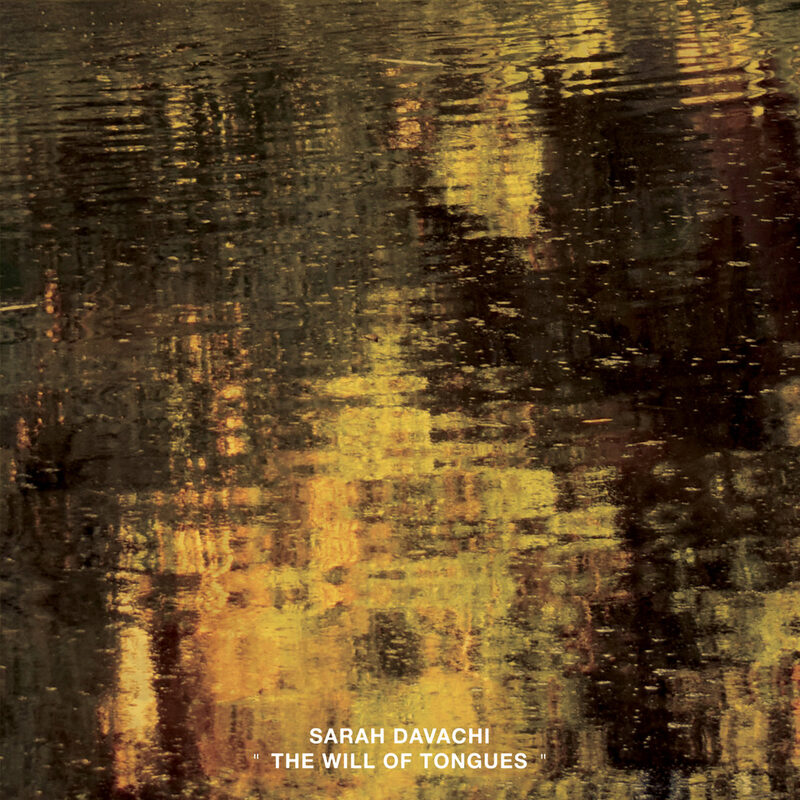
Label: Late Music | Released: 28 August 2026 | Length: about 2 hours 20 minutes (140 minutes on Bandcamp, 139:40 by our sum), 13 tracks | Formats: digital, 3LP, casebound 2CD
Davachi herself does not consider her music ambient, as she says in an interview with Civilian Global. We include The Will of Tongues because Bandcamp Daily ran it in its September 2026 ambient column, and because drone and contemporary classical minimalism of this kind shares a great deal with the genre. It is a borderline pick, and we will not pretend otherwise. Bandcamp Daily calls it a nearly two-and-a-half-hour work; the label's own page states 140 minutes across 13 tracks, which is closer to two hours and 20 minutes.
The Bandcamp press text calls it her most ambitious album. It contains five new solo compositions for historical pipe organs, recorded across the United States, Canada and the Netherlands, a suite of three choral pieces, interludes for microtonal ensembles of strings, brass and woodwinds, and a longform chamber piece for string trio, organ and tape. The interludes and the chamber piece were EMPAC commissions, the choral suite was commissioned by the Louth Contemporary Music Society in Ireland, and the music was composed in 2024 and 2025. Performers include the viola player Eyvind Kang, the cellist Lucy Railton and Chamber Choir Ireland, conducted by Nils Schweckendiek. Davachi mixed it herself in Los Angeles and Sean McCann mastered it. She names the Van Straten organ at the Orgelpark in Amsterdam as a favourite instrument; no source we opened names the churches for the other organ pieces, so we do not either. Born in Calgary in 1987 and now based in Los Angeles, per Wikipedia, she runs Late Music, an imprint she set up in 2020 with Warp as a partner label.
The Skinny calls it a mature, layered extension of her drone-adjacent minimalism, with a more developed structure than earlier releases. A Closer Listen finds it rewarding on repeat listens and frames it in near-spiritual terms. HHV Mag says it is accessible despite its length, rewarding close listening yet usable as background, and compares her to Eliane Radigue. Treble reads the dissonance as deliberate and built from competing pitches, long tones and microtonal shifts. Brainwashed calls it ambitious and demanding, with The Rose Dialogues the most immersive part and the Songs of the Smile's Fig choral suite the most accessible.
Ambient fit: borderline, drone and contemporary classical. It is the most ambitious record on the list and the one most at odds with the label we have put it under, which is why it sits seventh rather than higher.
8. Patricia Wolf, Yarrow
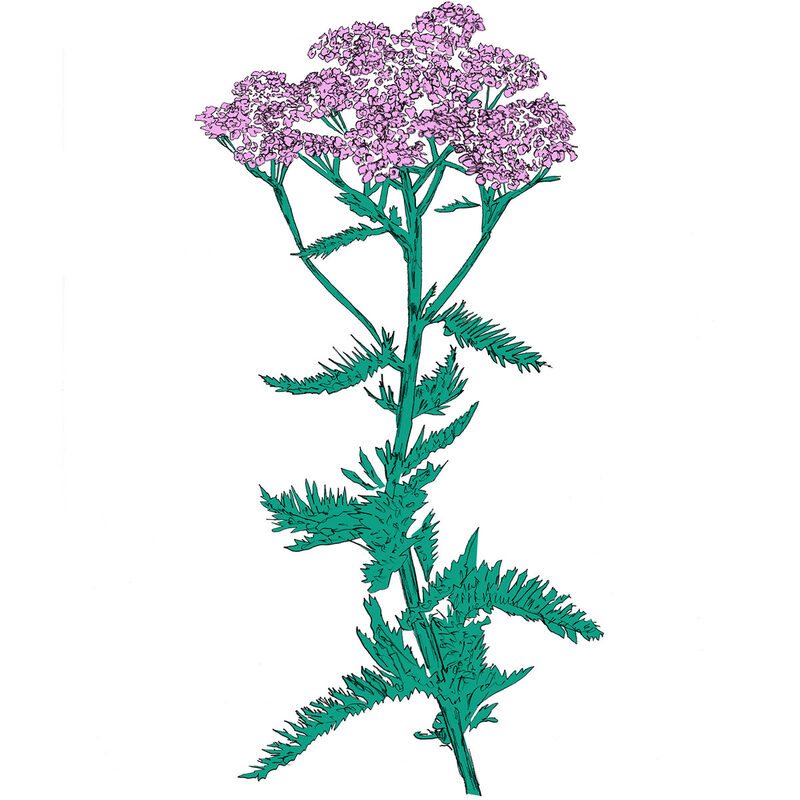
Label: Music To Watch Seeds Grow By (the cassette series run by Ransom Note's Tia and Wil) | Released: 4 June 2026 | Length: about 45 minutes, seven tracks | Formats: cassette with a packet of yarrow seeds and a plant fact card, plus digital
Yarrow is the ninth edition of Music To Watch Seeds Grow By, the recycled-tape cassette series in which each artist picks a plant that can be sown in the month of release. Wolf chose yarrow partly because it grows across North America and Eurasia, linking Portland, where she wrote and recorded it, with London, where the tape was pressed, according to her Bandcamp page. The record came out of a summer 2024 residency at the Rocky Mountain Biological Laboratory in Gothic, Colorado, through the Art/Science Exchange Project, where she worked with ecologists on long-term plant and pollinator research. Each track covers a stage in a plant's life.
The music is synth-led. In a Tonearm Q&A, Wolf says she composed mainly on a UDO Super 6 and a Novation Peak, plus plugins, and she is an official sound designer for Novation's Peak and Summit synths. The A-side holds six pieces, about 23 minutes in all. The B-side is the 22-minute Ecosystem Meditation, in which field recordings of birds, water and a warm drone sit under a spoken guided meditation by the ecologist Dr Paul CaraDonna. For anyone who follows hardware, it is a reminder of how much of this music starts on a synthesizer: see also our report on Teenage Engineering's plan to stop making synthesizers.
Coverage was niche but consistent. Bandcamp Daily's June 2026 column lists it second, summing it up as "kankyo ongaku with bite". Treble makes it the lead pick of its summer list and says the music accompanies the ecology without lecturing. The Big Takeover hears nature as an active collaborator and praises the mastering by Max Wolf for keeping the dynamics. Magazine Sixty and Wall of Ambient both single out the meditation, the latter finding that the A and B sides each work on their own. Electricity Club hears a Boards of Canada influence.
Ambient fit: genuine. Bandcamp tags it ambient, drone, field recordings and new age. Our caveat is twofold. We found no Pitchfork, Quietus or Resident Advisor review, so the evidence is niche rather than broad, and nearly half the runtime is a narrated track that some will hear as a listening guide rather than music.
9. Visible Cloaks, Paradessence
Label: RVNG Intl. | Released: 22 May 2026 | Length: about 42 minutes, 14 tracks | Formats: digital, LP, CD
This is borderline, honestly. Pitchfork calls the Portland duo of Spencer Doran and Ryan Carlile an ambient act that draws on Japanese kankyo ongaku, and it earned a place in both Bandcamp Daily's and Treble's ambient round-ups. But these are 14 short pieces, from 1 minute 13 seconds to 4 minutes 44 seconds, full of glitchy, jittery sound design and silence used as structure, and Treble itself calls it electronic music. We think "sound-design electronic" is the fairest label.
The process is well documented. Willamette Week reports that the album mixes virtual instruments with live players and features Componium Ensemble, a self-playing chamber ensemble of virtual instruments devised by Doran. In a Treble interview, the duo describe a slow, iterative process, with influences from Xenakis, Steven Feld's rainforest recordings and the echo and delay of dub; the title comes from Alex Shakar's word "paradessence". The Portland Mercury says Doran used ambisonic field recording and pitched ultrasound down into audible range, shaped by his work on the game SEASON: A letter to the future. The Bandcamp credits list ultrasonic insect sounds on Telescoping recorded in Aulus-les-Bains, France, in 2023, guests including Yoshio Ojima, Satsuki Shibano, Atkinson and the violinist Ioana Selaru, and mastering by Heba Kadry, who also mastered Tragic Magic. Ableton ran a 2017 interview with the duo, and Ableton Live turns 25 later this month.
Pitchfork gave it 7.9, calling it more unsettled than Reassemblage and one continuous piece made of moments and silences. The Quietus says the seams are left visible so that influences grind against each other, and that the balance is more precarious than on earlier records. HHV Mag, in German, finds it intriguing and disorienting. Treble's spring list lists it ninth and calls it "the right way to make electronic music in 2026". Bandcamp Daily's May 2026 column describes warmth set against a hard, cold surface.
Ambient fit: borderline. A strict ambient purist would not file it here, and it ranks ninth for that reason. The duo's Bandcamp page lists live dates at C2C Festival in Turin on 29 October 2026, Dabadaba in San Sebastian on 1 November 2026 and the ICA in London on 27 November 2026.
10. Green-House, Hinterlands
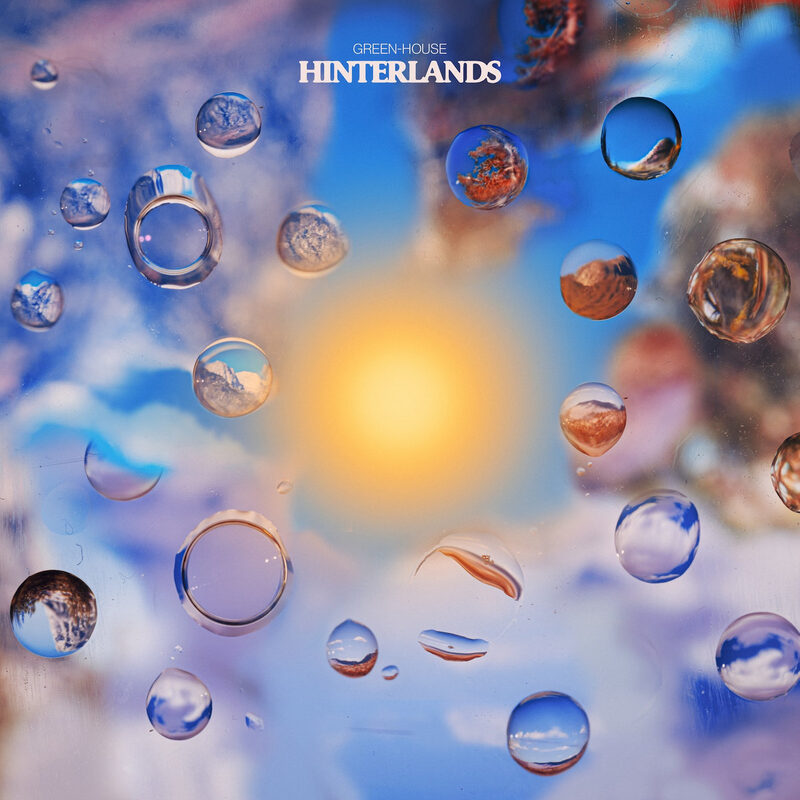
Label: Ghostly International | Released: 20 March 2026 | Length: about 38 minutes, 12 tracks | Formats: digital, blue eco-mix vinyl LP, CD, cassette
Hinterlands is another borderline pick, and the people making it seem to agree. The Bandcamp press text says the ambient tag feels increasingly limited, describes the songs as fuller, more active and more percussive than before, and places them closer to IDM or modern classical than to classic ambient or new age. In an interview with In Sheep's Clothing, the Los Angeles duo of Olive Ardizoni and Michael Flanagan say they are not aligned with new age ideology or spirituality. That is a notable thing for a record sold, in part, as ambient.
It is their third album and their first for Ghostly, after two on Leaving Records in Los Angeles. The project began as Ardizoni's, with the 2020 EP Six Songs for Invisible Gardens on cassette in wildflower-seeded sleeves, per Leaving Records, which links it to the plant-music lineage of number eight on this list. Per the press text, the Los Angeles wildfires of 2025 disrupted their creative life, and the three-part Hinterland suite, with flute, guitar, woodwinds and synths, is the core. Sun Dogs nods to Haruomi Hosono, Farewell, Little Island uses guitar samples and Valley of Blue has a Final Fantasy-style string and oboe sound. The interview adds that they write separately and rework songs together. Mastering is credited to Rafael Anton Irisarri on the official video for Under the Oak; we found no album-wide credits, guest list or recording location, so we make no claims about them.
Ghostly itself is worth a sentence for techno readers. The label was founded in 1999 by Sam Valenti IV in Ann Arbor and has been based in Brooklyn since 2015, and its Spectral Sound sister label released Matthew Dear as Audion, Seth Troxler and Avalon Emerson, per Wikipedia. It is a left-field ambient turn on a label with real house and techno roots.
Bandcamp Daily's March 2026 column closes with it, calling it a painterly ode to nature. Treble argues the ambient label is increasingly inadequate as the record moves into IDM, modern classical and synth-pop. The Everyday and Fruit Tree Records are positive but lean on press-release language, so treat their independence with caution; Ban Ban Ton Ton places it in the duo's electro-acoustic "Eco-Ambient" sound.
Ambient fit: borderline, closer to ambient-pop and eco-new age instrumental songcraft. It is tenth because the critical depth is thinner than for the others: we found no Pitchfork, Resident Advisor or Quietus review, and two of five opened reviews echo the label's wording.
Honourable mentions
Five more records came close. Each had three or more opened sources, a clear connection to the genre and a reason we left it just outside the ten.
Colleen, Libres antes del final (Thrill Jockey, 20 March 2026). Five tracks and about 38 minutes, composed on a Moog Matriarch between December 2024 and September 2025, recorded at home in Barcelona in October 2025 and then reamped at Casa Montjuic using a Neumann KU100 binaural head, according to the Bandcamp page. The spark was Cécile Schott's decision in April 2024 to learn to swim in the open sea after 30 years of water phobia, per Thrill Jockey. Brainwashed calls it a bold, visceral leap, and Bandcamp Daily and Treble both ran it. It is pulse-driven and harsh at its climax, so it is ambient-adjacent at best.
Ben Seretan & John Thayer, Sunbeam of No Illusion (AKP Recordings, 27 March 2026). Eleven mostly beatless tracks and about 38 minutes of Rhodes, modular synth, lap steel and field recordings, built over about 18 months of sessions in Thayer's creekfront studio and processed through a 1978 Lexicon PrimeTime delay, per the Bandcamp page. The title comes from correspondence between Emerson and Whitman. Arcana.fm finds it extremely restful, and Treble's winter list puts it first. The ambient fit is the strongest of the five, but we found fewer sources for it.
Midori Hirano, OTONOMA (Thrill Jockey, 20 February 2026). Ten tracks and about 42 minutes, written, performed, recorded and mixed by Hirano in Berlin between 2023 and 2025, with mastering by Rashad Becker, per her Bandcamp page. Label copy says it merges her solo and MimiCof phases, pairing classical piano harmony with modular and analogue synths. Bandcamp Daily praises the precision with which space is left around each sound, and Spectrum Culture argues the music is too wandering to be called just ambient.
Suzanne Ciani with Metropole Orkest & Simon Dobson, CIANI/ORKEST (AKP Recordings, digital release 4 June 2026). A live recording from the Amsterdam Dance Event in October 2022 of an all-new piece for Buchla and the 50-piece Metropole Orkest, in eight sections arranged by six named arrangers, according to the Bandcamp page. It runs about 76 minutes, and the double vinyl, encoded for stereo and matrix quadraphonic playback, shipped later than the digital release. Bandcamp Daily notes some funk and says that at 80 Ciani shows a range well beyond new age. It is borderline, and the only independent coverage we found was list blurbs and a newsletter pick, which is why it stays here. The photo at the top of this page is from a 2017 Ciani concert in Durham, North Carolina, according to its Wikimedia Commons listing.
Laurel Halo, Midnight Zone (Awe, 13 March 2026). A film score for Julian Charrière's film following a Fresnel lighthouse lens down through the Clarion-Clipperton Fracture Zone, a Pacific seabed area targeted for deep-sea mining, with nine tracks on Bandcamp and eight on the LP. Halo composed it largely on a Montage 8 synthesizer and a Yamaha TransAcoustic piano, with violin and viol da gamba added. Treble compares its arc to John Luther Adams's Become Ocean, and HHV Mag says it works without the film. Its ambient fit is good, but it is a soundtrack.
What we make of it
This section is RTS.FM's own opinion and analysis, not reporting. The facts it leans on are in the sections above, and each argument below comes with the strongest objection we can think of.
1. The centre of gravity is label-driven, and the consensus is thinner than it looks. Across the 15 records, Warp, RVNG Intl., Thrill Jockey and AKP Recordings have two each, and the rest of the ten are spread across kranky, Editions Mego, InFiné, Ghostly, Late Music and a cassette series. Pitchfork reviewed at least six of the ten, but for several of the others the critical record is a few specialist voices, chiefly Bandcamp Daily and Treble, repeating across our sources. We take that to mean that "the best ambient albums of the year" is closer to a handful of columns agreeing than to a mainstream chorus, and our own list inherits that. The strongest objection: ambient is a small genre that mainstream outlets cover sparingly, so specialist columns are exactly the right evidence, and a short list of labels may simply reflect where the music gets released.
2. The border is the story. Voice (Ana Roxanne, the spoken word of Atkinson and Vantzou), rhythm (Inferno, the kicks on Sol.Hz, the pulse on Colleen's record) and songwriting keep pushing into a genre defined by their absence. Davachi says she is not ambient, Green-House's press text says the tag feels limited, and Treble calls Paradessence electronic music. In our reading, "ambient" in 2026 works less as a sound and more as a shelf for the quiet, textural edge of other genres. The strongest objection: if one label stretches from Inferno to Poem 1, it may stop meaning anything, and a stricter reading (slow, beatless, wordless) would leave a much shorter list built around Barwick and Lattimore, KMRU and Wolf. A purist could say we loosened the term to match what Bandcamp Daily and Treble put in their columns, and the table's "Ambient fit" column is our attempt to be honest about that.
3. For club and techno listeners, the gateways are bass and drums, and the classic reference is older than all of this. Sol.Hz is the clearest bridge, since Warp's own copy says the bass dominates on a proper system, and Inferno is the record that reached the UK dance chart, per Wikipedia. Spectral Sound's history behind Ghostly makes the same point from the label side. If you want to start from the genre's popular roots, Jarre's Oxygène, which turns 50 this year, is the obvious reference point, and our piece on why festivals now book hi-fi sound systems covers the listening-room angle. If you want the rhythmic side of 2026 instead, see our summer techno albums list. For live experimental electronic music, festivals such as CTM, Berlin Atonal, MUTEK and Unsound are places to look; we did not check their bills, and we are not claiming that any artist here has played them. The strongest objection: "gateway" is a flattering story for DJs. The evidence says only that these records have bass or rhythm, not that club listeners follow them to the rest of the list, and neither record is built for the dancefloor.
4. Length and physical editions are the other story. Davachi's 140-minute album is on 3LP and 2CD, Kin is a 2xLP edition of 700 with a vinyl-only bonus track and a CD run of 500, Water Poems has a 300-copy Glacial Blue LP, Yarrow comes with a seed packet, and the deluxe Inferno red vinyl is, per Bandcamp, a final pressing that will not be repressed. We read that as ambient labels adding value that streaming cannot, through bonus material, scarcity and the object itself. The strongest objection: limited editions can be collector bait, and for most listeners streaming or a Bandcamp download is still the practical ambient format. With independent labels often waiting months for pressing slots, as our report on vinyl pressing capacity shows, scarcity may be as much a constraint as a choice.
quick wins
- Julianna Barwick and Mary Lattimore's Tragic Magic (InFiné, 16 January 2026) tops our list of the best ambient albums of 2026 so far.
- The ranking covers records released between 1 January and 13 October 2026, chosen from roughly 180 candidates, each with at least three opened independent sources.
- Six of the ten are borderline: Sol.Hz (ambient dub), Inferno (IDM), Poem 1 (songwriting), The Will of Tongues (drone and classical), Paradessence (sound design) and Hinterlands.
- Confirmed Pitchfork scores: Sol.Hz 8.1, Inferno 8.6, Poem 1 8.6 (Best New Music), Paradessence 7.9 and Tragic Magic 7.4.
- Davachi's The Will of Tongues runs about 2 hours 20 minutes, and she says she does not consider her music ambient.
- Every album in the top ten has a Bandcamp page and an embedded player above; the list is analysis of critics and credits, not a listening review.
Frequently Asked Questions
What is the best ambient album of 2026 so far?
Our pick is Tragic Magic by Julianna Barwick and Mary Lattimore, released by InFiné on 16 January 2026. It is a beatless record of harp, vintage synthesizers and looped voice, recorded in nine days in Paris, and it drew positive coverage from mainstream and specialist outlets. The ranking is an editorial judgement, and the order of neighbouring records is a close call.
What are the best ambient albums of 2026 so far?
Our top ten, in order, is: Tragic Magic (Julianna Barwick & Mary Lattimore), Kin (KMRU), Sol.Hz (Seefeel), Inferno (Boards of Canada), Poem 1 (Ana Roxanne), Reflections Vol. 3: Water Poems (Félicia Atkinson & Christina Vantzou), The Will of Tongues (Sarah Davachi), Yarrow (Patricia Wolf), Paradessence (Visible Cloaks) and Hinterlands (Green-House). Honourable mentions go to Colleen, Ben Seretan and John Thayer, Midori Hirano, Suzanne Ciani with Metropole Orkest, and Laurel Halo.
Is Boards of Canada's Inferno an ambient album?
Not strictly. It is better described as ambient-adjacent IDM and hauntology. About half of its 18 tracks are instrumentals with long, gauzy synth passages, and Treble included it in an ambient list, but critics consistently describe it as the most rhythmic Boards of Canada record, with live-sounding drums and guitars. We rank it fourth as the list's rhythmic wildcard.
Which ambient album of 2026 has the highest Pitchfork score?
Of the albums where we confirmed the score on Pitchfork's own review page, Inferno by Boards of Canada and Poem 1 by Ana Roxanne tie at 8.6, and only Poem 1 is flagged Best New Music in the page data we read. Sol.Hz scored 8.1, Paradessence 7.9 and Tragic Magic 7.4. Pitchfork also reviewed Kin, but we do not give a number for it.
What is ambient dub, and is Seefeel's Sol.Hz one?
Ambient dub is a loose label for music that combines ambient texture, long fades and drone with dub's echo, delay and heavy bass. Pitchfork called Seefeel "ambient-dub droneshapers" in its review of Sol.Hz, and the band's label Warp bills it as their dub album, with kick drums and dub bass pulses on several tracks and a drumless closer. We treat it as a borderline ambient pick.
Which ambient albums of 2026 are good for sleep or focus?
We cannot say. None of our sources evaluated these records for sleep or concentration, and we have not tested them. What the critics do say is limited: Chain D.L.K. says Kin demands focused listening rather than background play, HHV Mag calls Davachi's record usable as background while rewarding close listening, and Exclaim! suggests Tragic Magic suits travelling or night walks.
Where can I listen to these albums?
All ten have Bandcamp pages, and players are embedded in the sections above. Seefeel's Sol.Hz and Visible Cloaks's Paradessence are also embedded as full-album streams from official YouTube channels, and Boards of Canada's official video for the opening tracks of Inferno is embedded as well. We did not check which streaming services carry each album, so check your service of choice.
How were these albums chosen?
We ran three research passes, covering major critics, aggregators and charts, and ambient specialists, which produced roughly 180 candidates released between 1 January and 13 October 2026. Each pick needed at least three independent sources that we could open and read. Ambient fit was judged on the record itself, and borderline picks are labelled. Metacritic, Album of the Year, Rate Your Music, Reddit and Bandcamp sales charts could not be read by our tools, so we use no Metascores or user ratings.
Which labels released the most ambient albums in 2026?
We cannot answer that for the whole genre, because we did not count every release. Within our 15 records (the ten plus the honourable mentions), four labels have two each: Warp (Sol.Hz and Inferno), RVNG Intl. (Water Poems and Paradessence), Thrill Jockey (Colleen and Midori Hirano) and AKP Recordings (Seretan and Thayer, and Ciani). That reflects our shortlist, not a census.
Are there good vinyl editions of these albums?
Several have vinyl, though we have not heard the pressings and cannot judge their sound. Kin is a 2xLP gatefold edition of 700 with a vinyl-only bonus track, The Will of Tongues is a 3LP, Water Poems has a 300-copy Glacial Blue LP, Sol.Hz has a black vinyl LP on Bandcamp, and Inferno has a 2LP gatefold plus a deluxe red edition that Bandcamp describes as a final pressing. Ciani's CIANI/ORKEST double vinyl is encoded for stereo and quadraphonic playback and shipped later than the digital release.